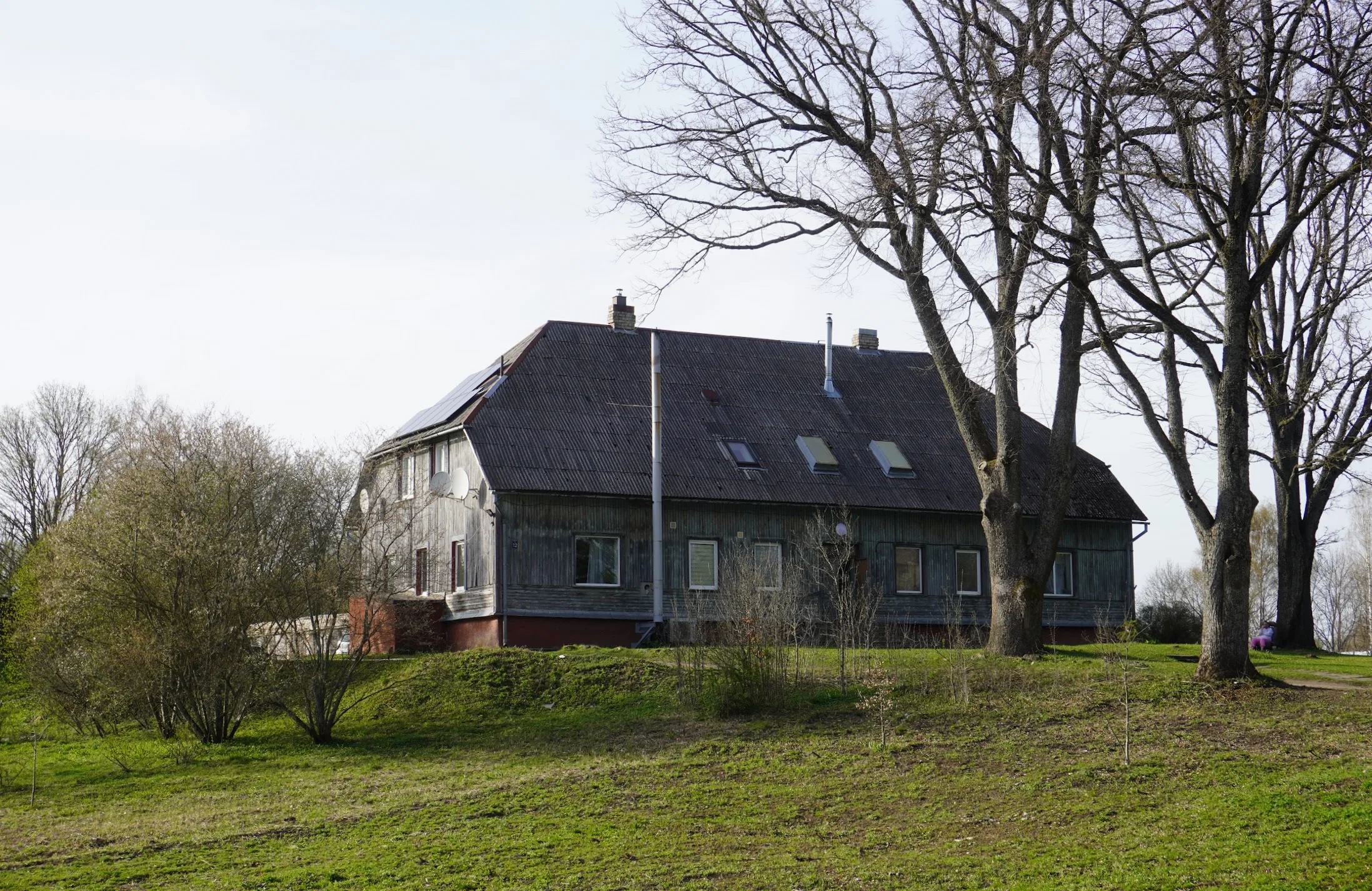
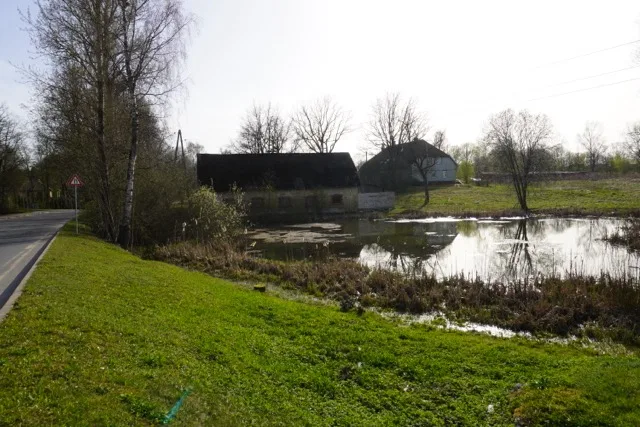
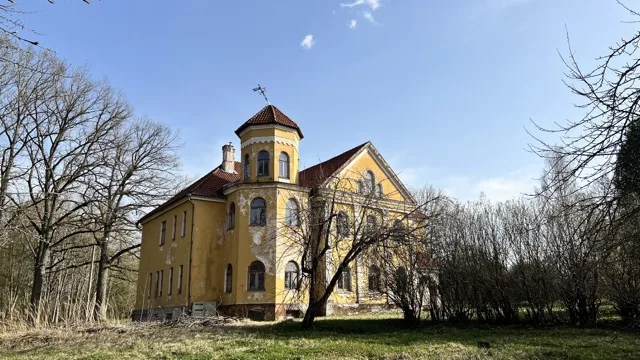
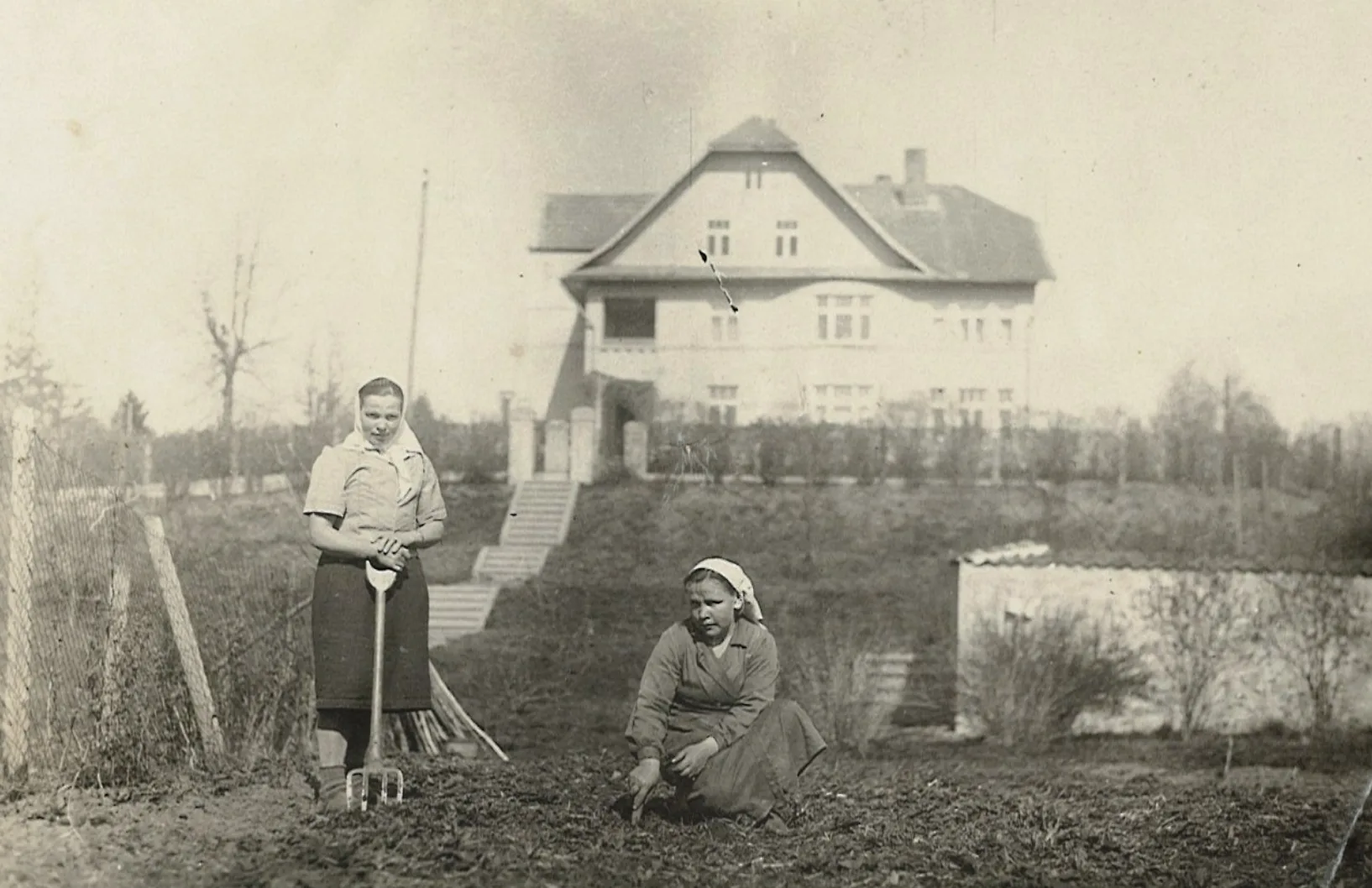
On the western side of Cēsis, where the Rīga and Kārļi roads intersect (in the area of today's Līgatnes and Jurģu streets), stood Jurģi Manor—a place with a diverse and significant role in the city's life. Located about a kilometer from the Cēsis fortifications, it served as a strategic point along the busy Vidzeme highway, traveled daily by riders, carriages, and peasant carts.
The manor's history stretches far back to the times of the Livonian Order (1237–1562), when St. George's (Jurģis) Hospital is thought to have been located in this area. Here, sick and wounded knights of the castle, as well as local residents, were cared for. Over time, the hospital became a shelter—the St. Anthony or Dionysius almshouse, providing refuge for the city's infirm and homeless.
For almost its entire existence, Jurģi Manor belonged to the city of Cēsis and fulfilled a special social mission—ensuring the operation of the almshouse and the "folk" school. 1561. In , King Sigismund II Augustus of Poland gifted this property to Cēsis, while on February 2, 1626, King Gustavus II Adolphus of Sweden renewed the ownership rights, mandating the manor be maintained for the city's benefit. However, in the 17th century, following a complex legal battle with Pastor David Lothichius, the city lost the manor, unable to cover the legal costs of 3,543 thalers.
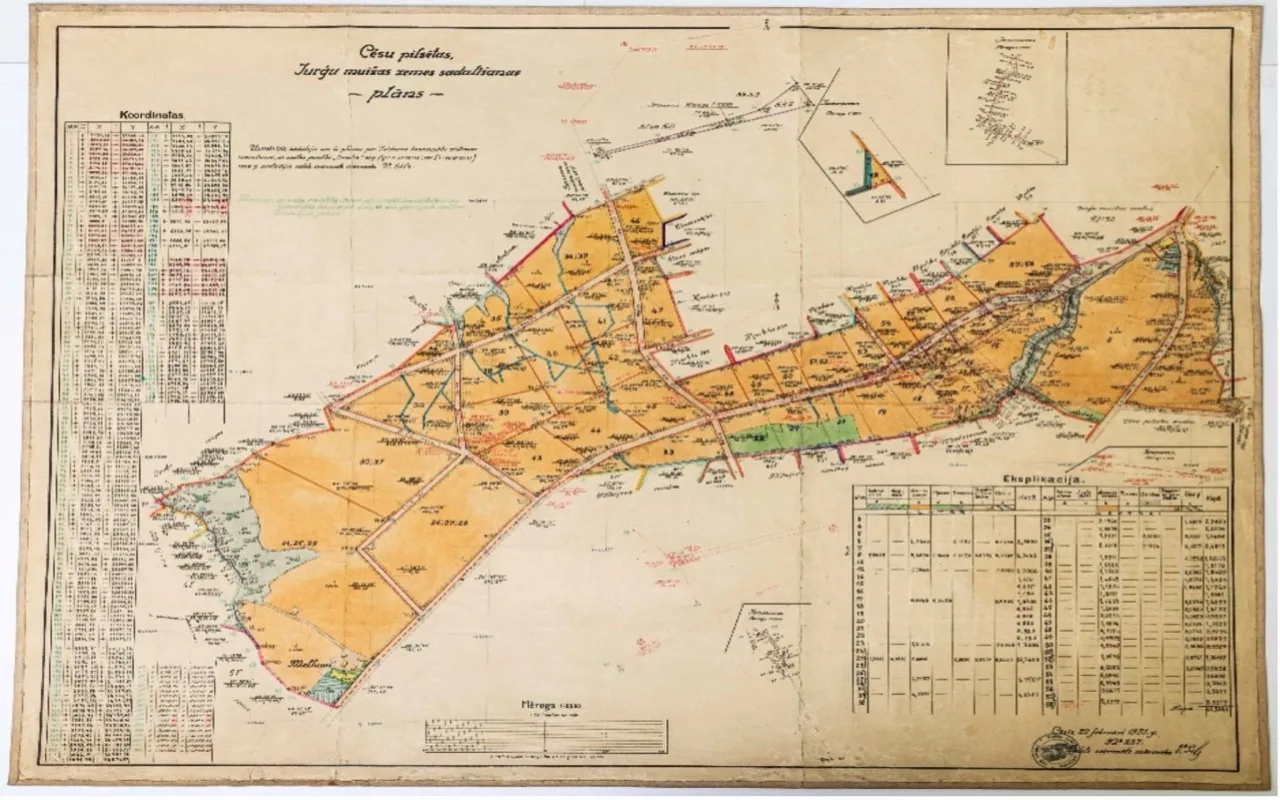
The lands of Jurģi Manor, narrow as a "flask," were part of the Cēsis patrimonial district. The narrowest end began behind the Rīga Gate, while the widest stretched between Skaļupe and the lands of Kārļi Manor. Between 9 and 11 farms with colorful names operated here: Dāvji, Muižnieki, Vaivodi, Mālnieki, Pelles, Kāķis, Kreiļi, Vaišnieki, Joste, Mešingi, Rīze, Tīrels, as well as the Skaļupe tavern.
A particularly notable tenant of the manor was Jakob von Trompowsky—a surgeon, Cēsis councilman, and later burgomaster, who leased the manor for 28 years (1773–1801). It was under his leadership that Cēsis regained its city privileges and experienced an economic boom. Thanks to his work for the city, Trompowsky was granted the use of both Jurģi and Meijers manors, though he did not always follow the lease terms, managing the serfs as he saw fit.
A historical paradox—in the place where people were once treated and cared for, the city gallows were later erected (in the 17th century). 1853. In , the first buildings for sapper barracks were constructed on the manor's land, which in the early 20th century became a prison, and later—the Cēsis Correctional Facility for Juveniles.
Today, at 10 Līgatnes Street, the historical multilayeredness of the site remains—from the ancient hospital and city school to the Cēsis patrimonial heritage and the prison building.
The materials used for the description are:
Ilma Zālīte, MA Hist. and the Cēsis Rotary Club project "Tour of Cēsis Manors"Collections of the Cēsis Castle Museum and Cēsis Central Library.