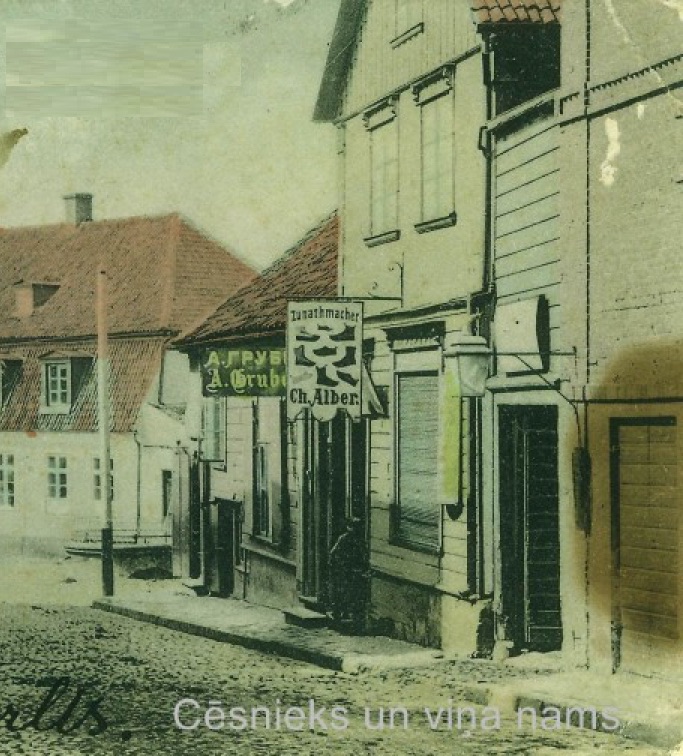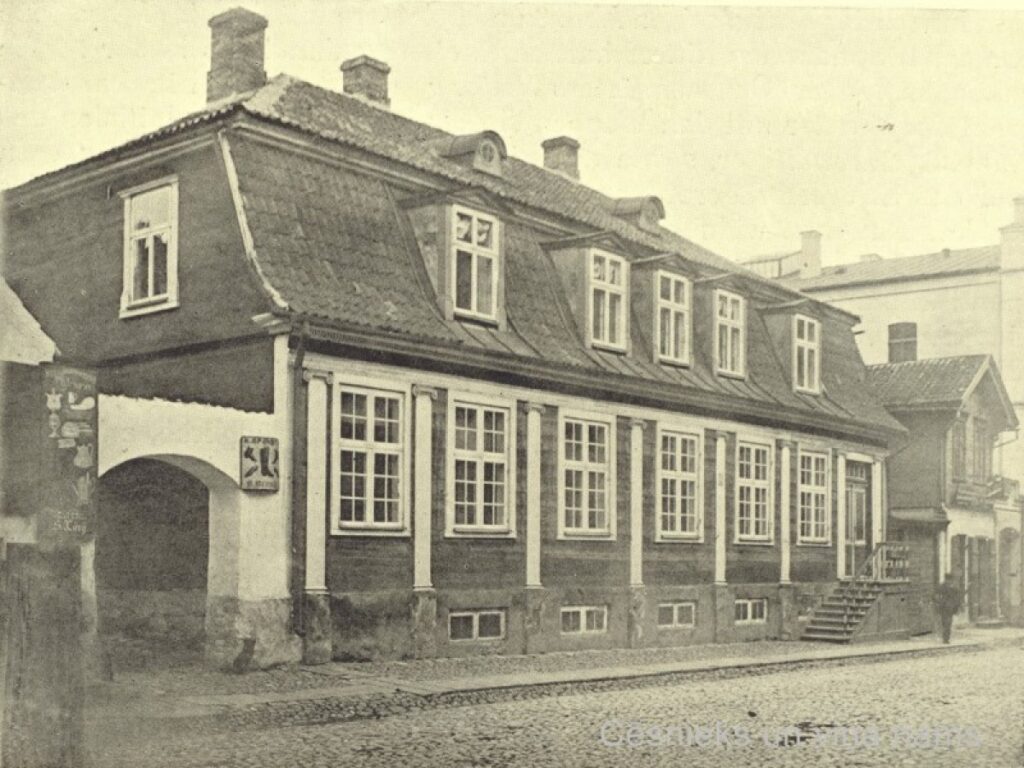


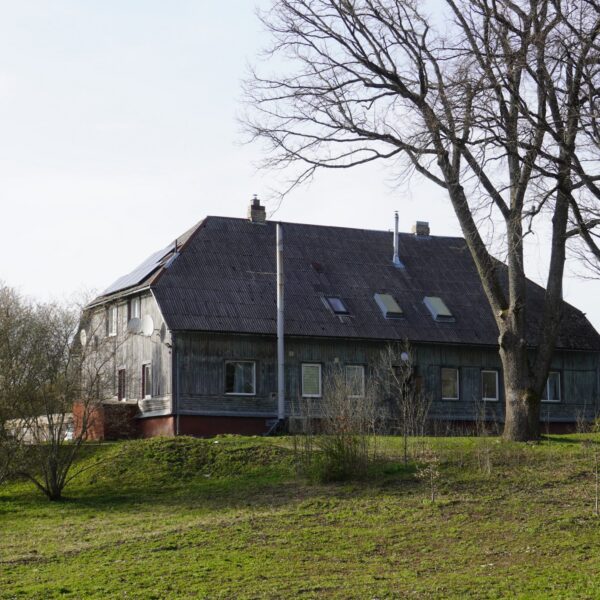

At 55 Rīgas Street, surrounded by a picturesque garden, stands an elegant wooden building – the former Zirņu Hill Manor, or Villa Sirnenhof. Although the name includes the word “manor,” this 18th-century structure is more accurately described as a summer house or villa. Its first owners were the famous von Campenhausen family, whose roots in Livonia stretch back several centuries.
Zirņu Hill Manor gained particular recognition through its association with the prominent Russian Empire Minister of War, Field Marshal Prince Ernest Magnus August Barclay de Tolly (1798–1871). 19. He stayed here for a time in the early 19th century, and locals began calling the place “Barclay de Tolly’s summer house.” It was in the Cēsis area that fate brought Barclay de Tolly together with Leocadie, the eldest daughter of Baron Johann Christoph von Campenhausen, whom he married in 1824.
Ernest Magnus August’s father was the famous Russian Empire General Field Marshal Michael Andreas Barclay de Tolly (1761–1818), whose “scorched earth” tactics were decisive in the Patriotic War of 1812 against Napoleon. It seems the elder Barclay had also sought a suitable residence for his son – in 1817, he purchased Stalbe Manor near Cēsis, and it was in this vicinity that the young prince met his future wife.
1920. In the 1920 land survey documents, Zirņu Hill Manor was already included as part of Dubinska Manor, occupying 1.97 pūrvietas. The property contained three buildings, an orchard, and a vegetable garden, and was bordered by Zirņu, Dubinska, and Rīgas streets.
Today, this historic wooden building is a private property that still preserves ancient stories of Cēsis’ connection to European aristocratic families.
The materials used for the description are:
Ilma Zālīte, Mg. hist. and the Cēsis Rotary Club project “A Tour of Cēsis Manors”
Collections of the Cēsis Castle Museum and the Cēsis Central Library.