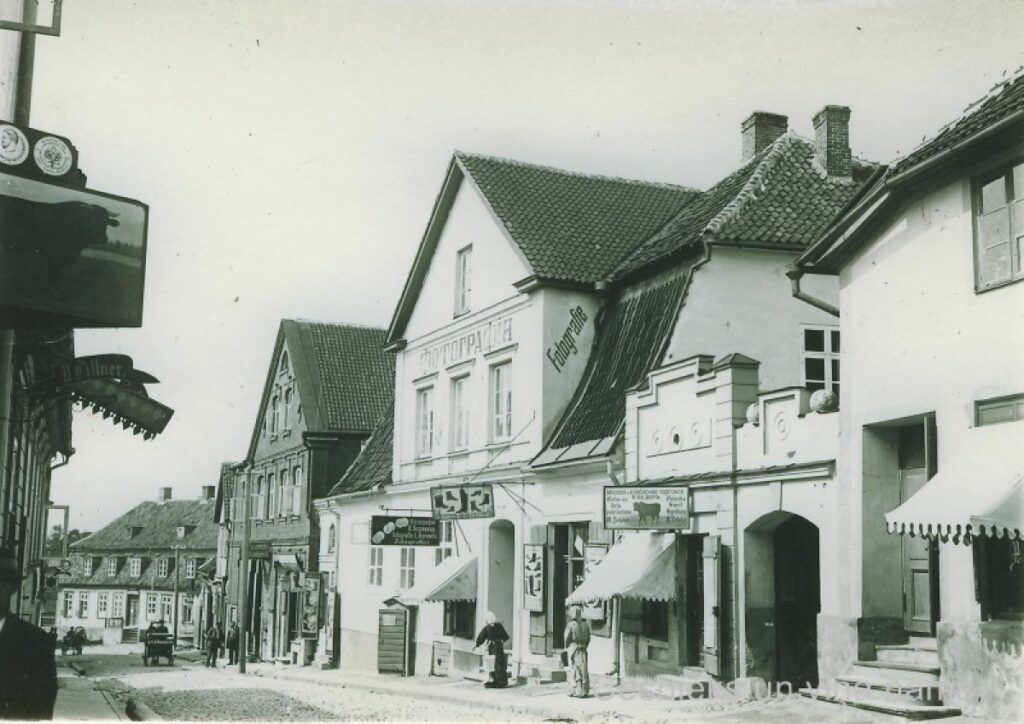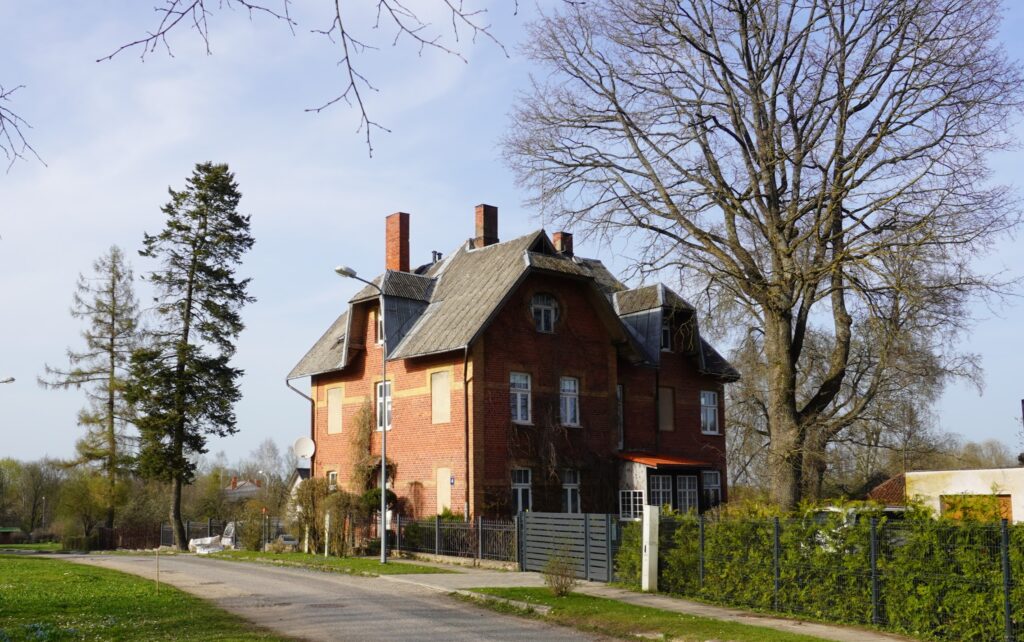


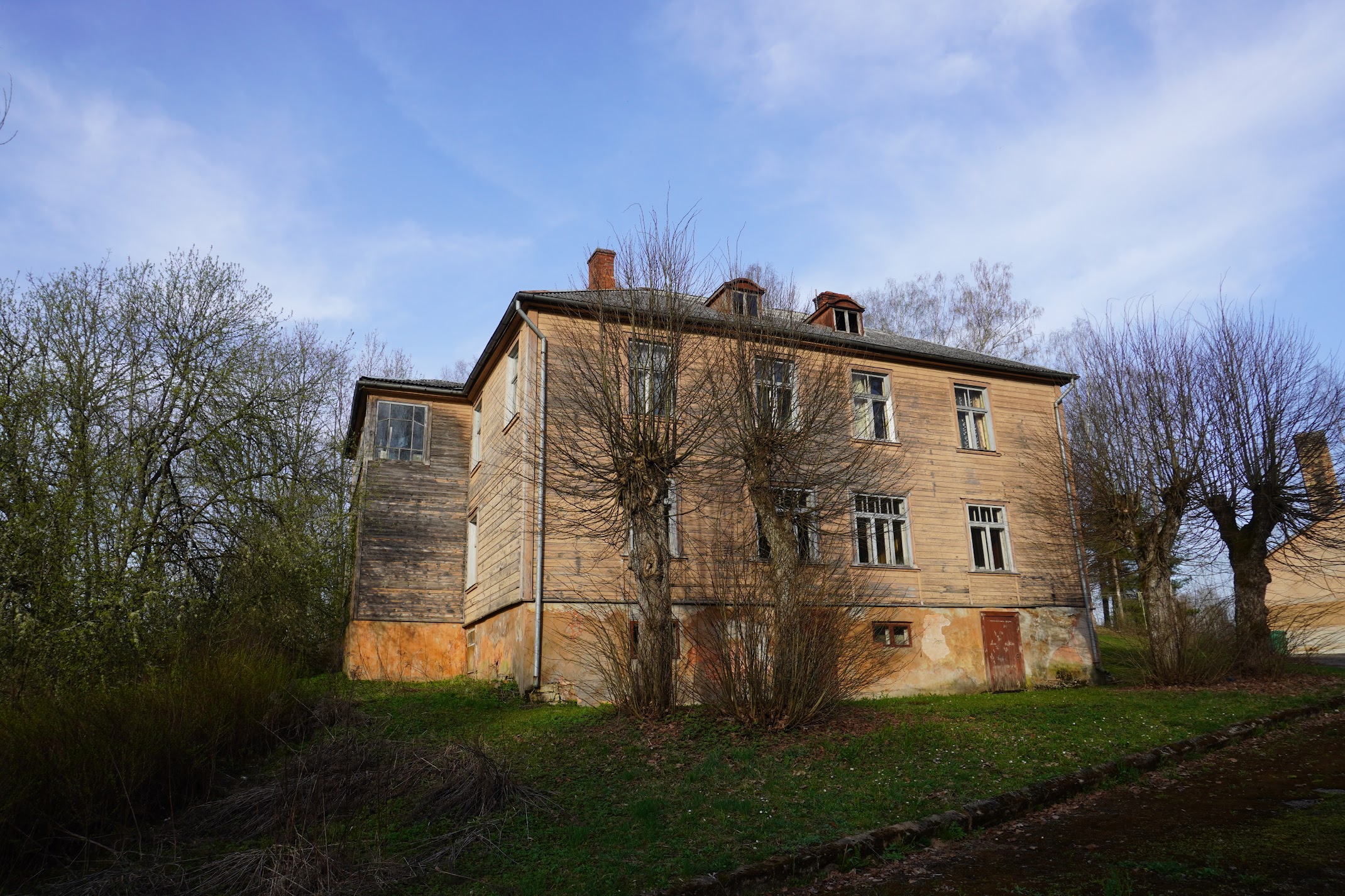
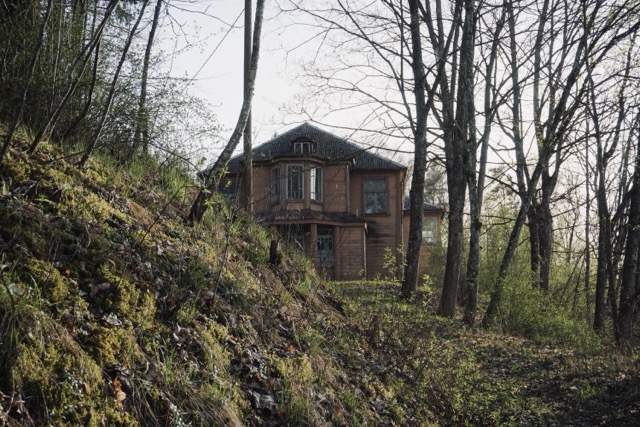
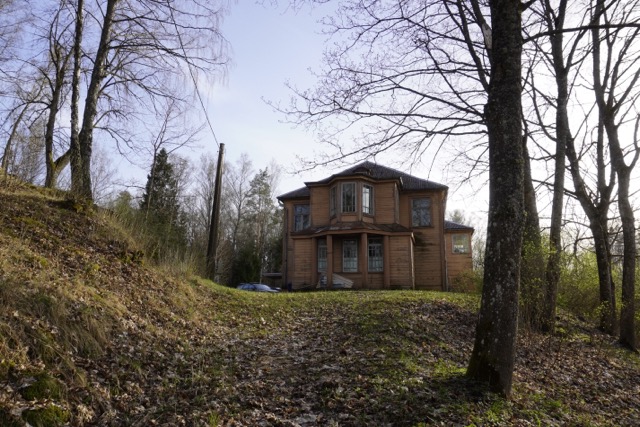
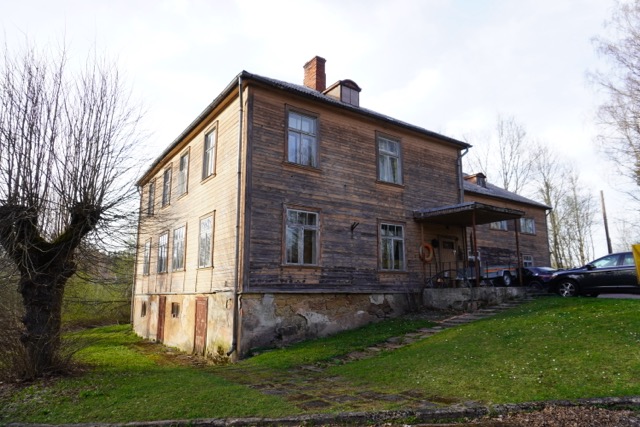
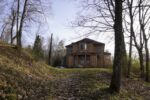
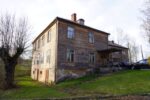
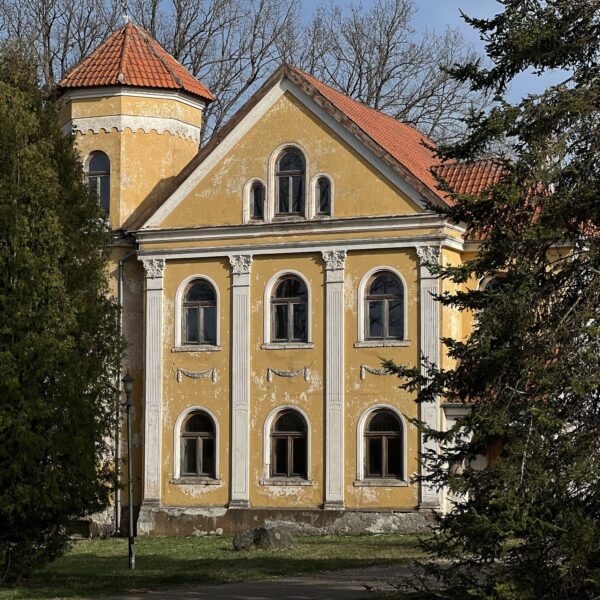

On the outskirts of Cēsis, in the Tālavas Street area, stands a historic building with two names — Valentīna Minor Estate, or Florida. This place tells the story of a wealthy city patrician family whose history stretches back to the early 18th century. The patrician Valentīns family first appears in Cēsis citizen registers in 1715, with weapons smith Kaspars Nikolajs Valentīns — a man whose craft seems to have been just as sharp as his surname is romantic.
The Valentīns family story was far from smooth sailing — after Kaspars died in 1732, the family lost their ownership rights to the property. It was not until 1759, when others would have long given up, that his son — Cēsis Great Guild elder and merchant Kaspars Frīdrihs Valentīns — recovered the minor estate using a restitution protocol. Clearly, his merchant’s shrewdness and persistence were just as impressive as his brood of 11 children from two marriages!
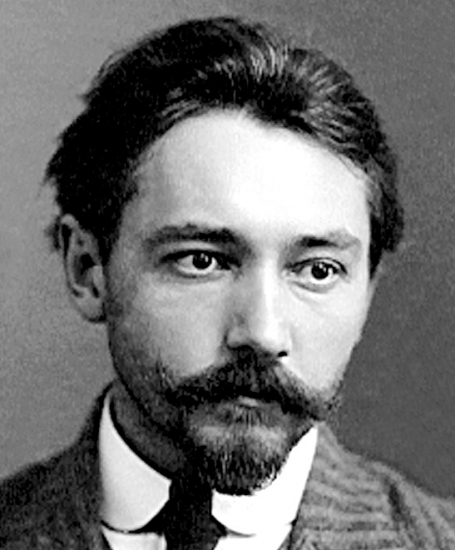
In the mid-19th century the property passed into the hands of Johans Frīdrihs Fovelins, a councillor and surveyor, who bought it in 1847 for what was then a considerable sum of 800 roubles. Later, in 1858, the minor estate was purchased for 1,700 roubles by the notable pastor Dr. Pauls Emīls Šacs — a figure whose contribution to Latvian education and culture was immense. As an active member of the Latvian Literary Society (also known as the Latvian Friends Society), he devoted himself to Latvian education and culture, publishing the first readers and song collections for Latvian children.
Towards the end of the 19th century and into the early 20th, the minor estate acquired a new name — Florida. The steep slopes, hills, and natural meadows beyond Glūda Manor were so beautiful that locals and visitors alike were reminded of the American resort destination. And so Cēsis got its own Florida, which became a favourite spot for recreation and walking.
In the 1930s the building went through both a high point and a tragedy. 1933. In 1933 it belonged to Dr. Elizabete Krūms and was one of the finest summer houses in Cēsis, featuring wall paintings by artist Šprenkss. Sadly, during Easter preparations in 1933, a devastating fire broke out, destroying both the beautiful summer house and the neighbouring home of carpenter Janitēns.
During the Soviet years, Florida Minor Estate housed a children’s home, and was later converted into apartments. Interestingly, a city sobering-up station was set up in the adjacent building in 1986 — perhaps to help people clear their heads after getting a little carried away by the romantic charms of Florida’s beautiful surroundings.
The materials used for the description are:
Ilma Zālīte, Mg. hist., and the Cēsis Rotary Club project “A Walk Around the Manors of Cēsis”;
the collections of Cēsis Castle Museum and Cēsis Central Library.