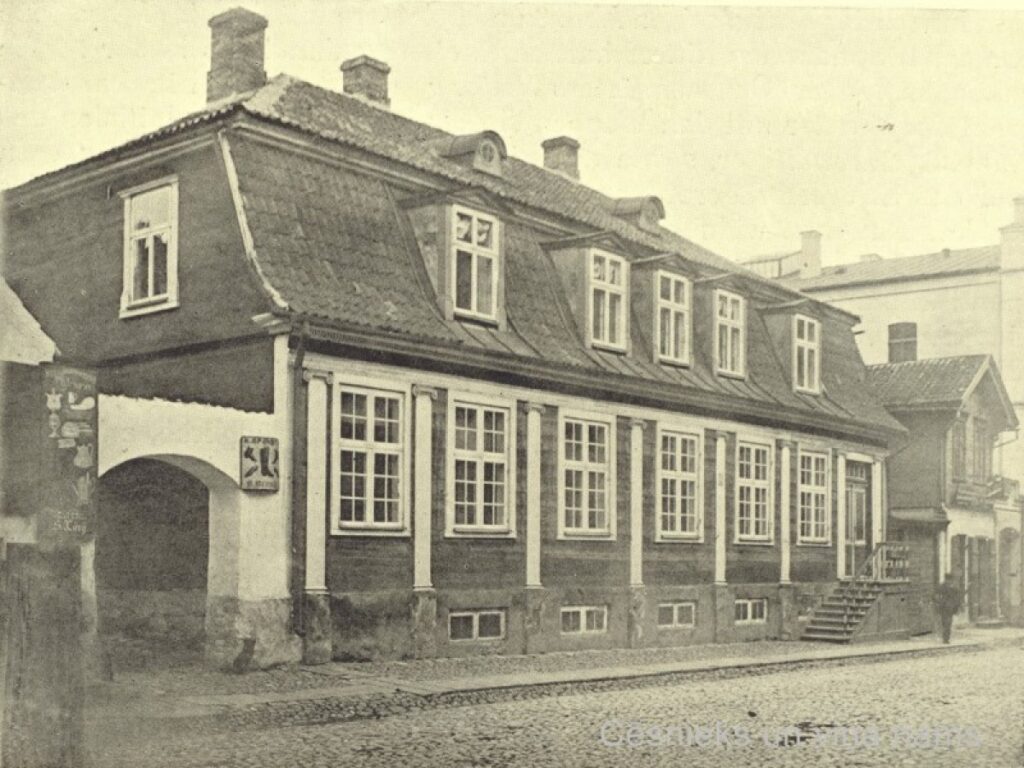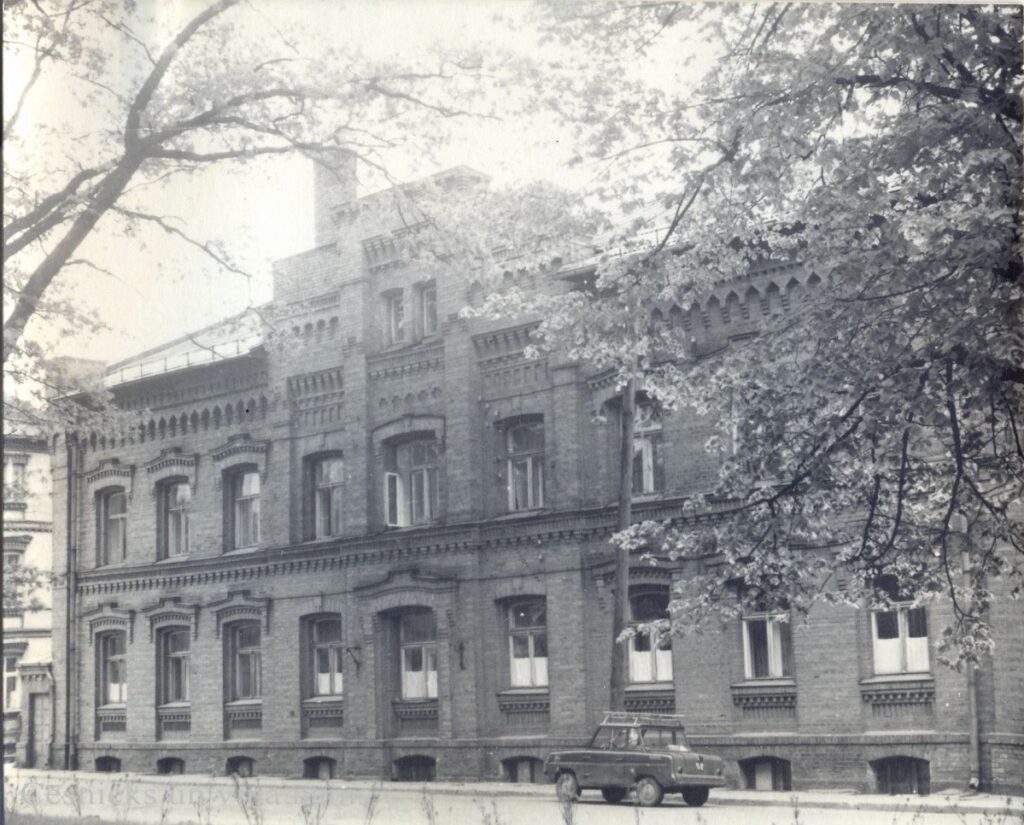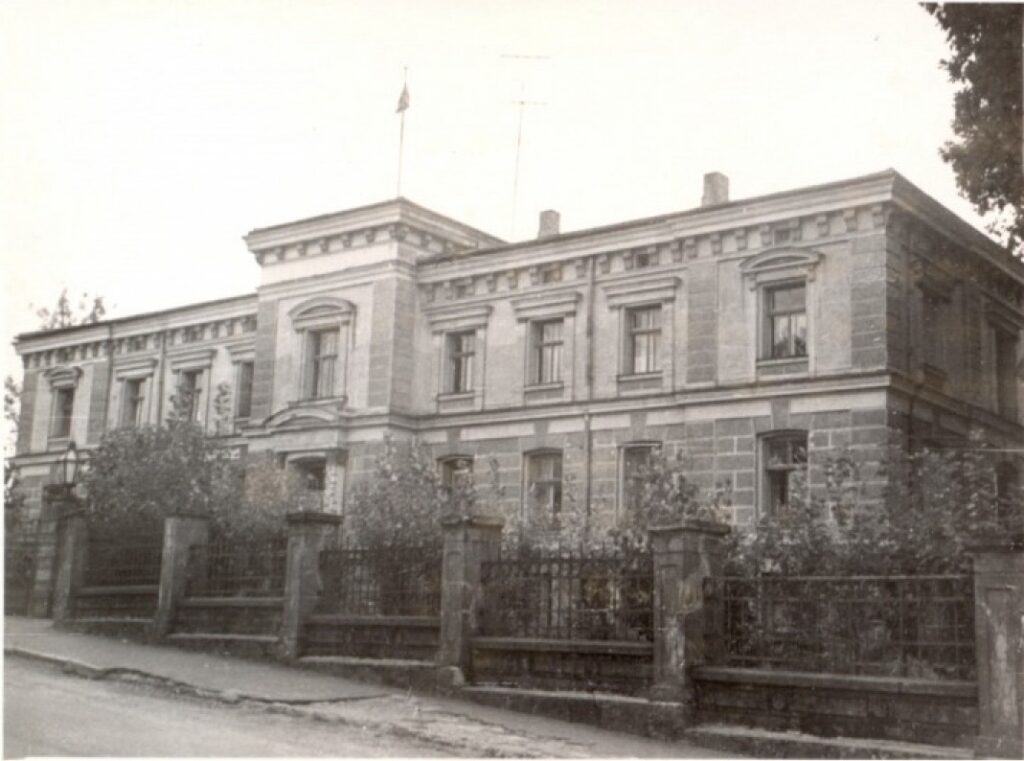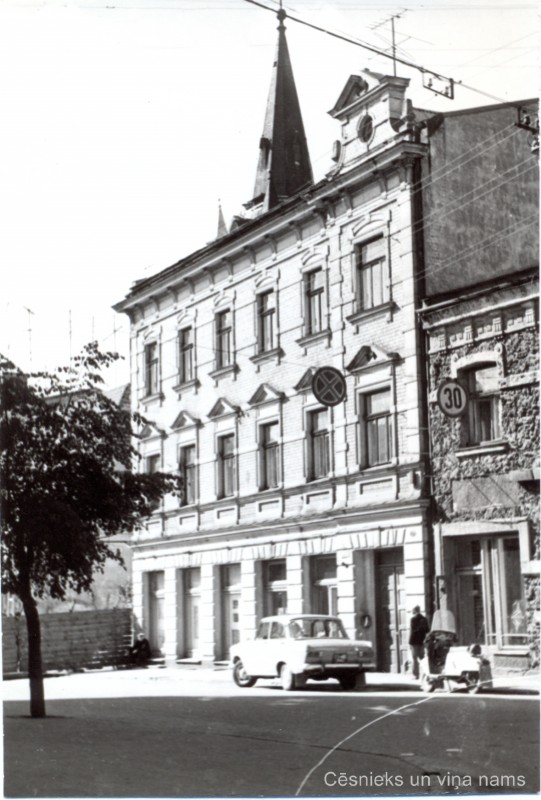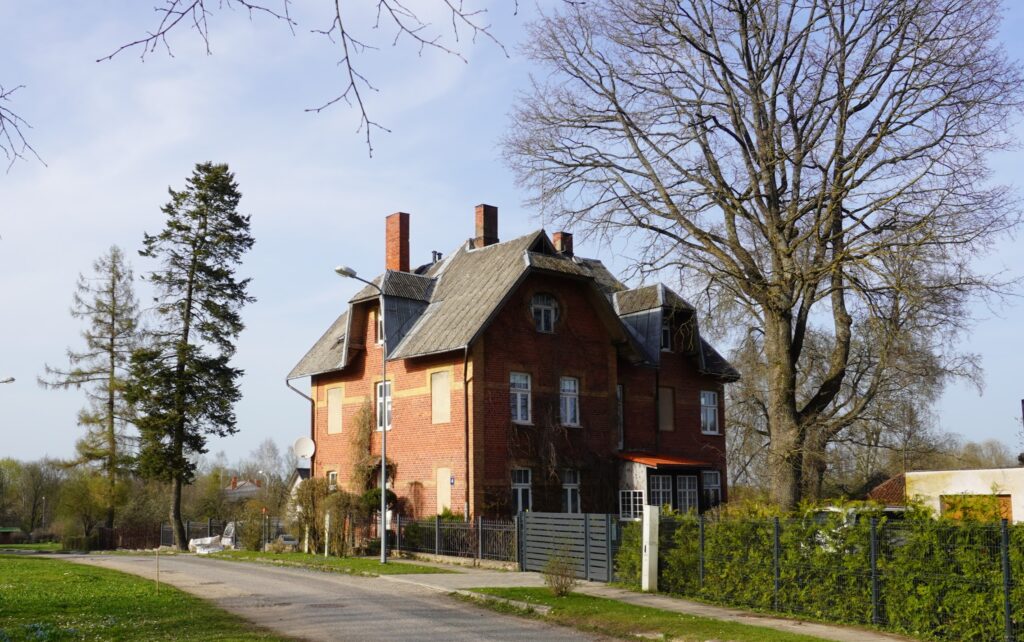


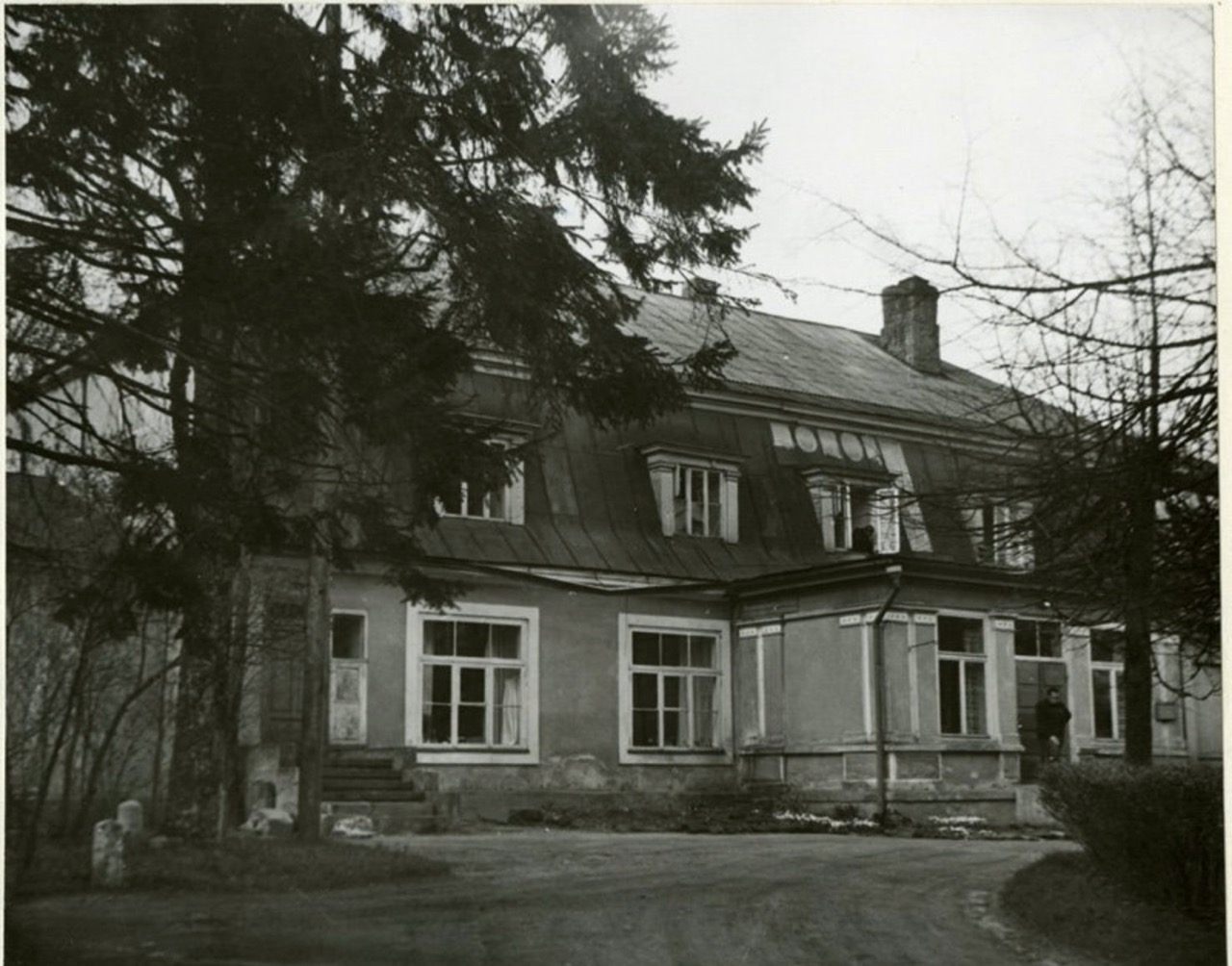
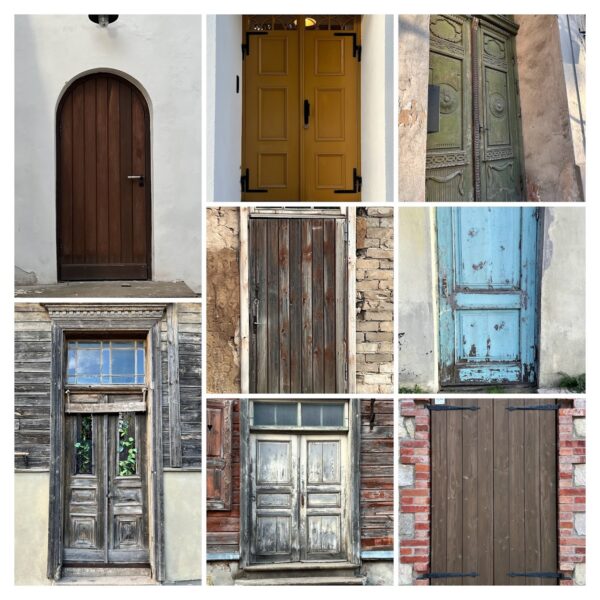
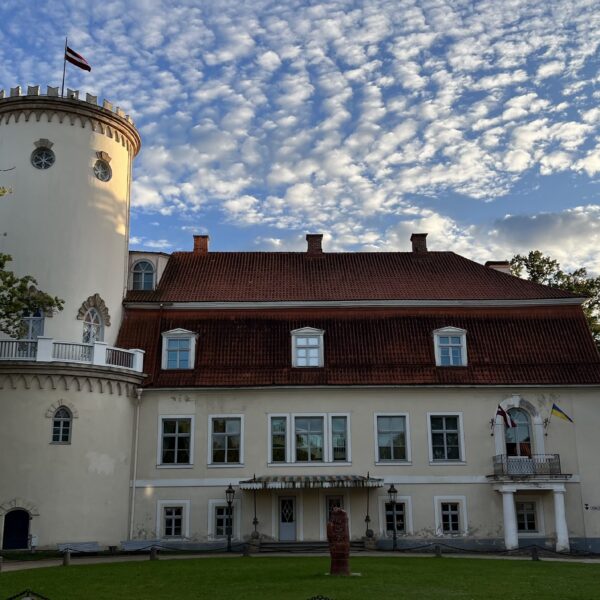

Rucka Manor is like a journey through different historical periods, having been built, rebuilt, and changed owners and functions over the centuries. The manor’s name comes from the surname of the Polish nobleman Bartolomejs Rucks (Bartholomäus Ruzki), who acquired the manor in 1584. However, the manor’s story began even earlier — during the time of the masters, it belonged to Cēsis burgomaster Sebastian Ditmer, whose lands were first mentioned in records in 1577.
The history of Rucka Manor changed with its rulers — in 1626, Swedish King Gustav II Adolf gifted the manor to Cēsis burgomaster Hanns Gieging, granting him the late Sebastian Ditmer’s house in Cēsis with all its associated land. For several generations, the manor remained in the Gieging family, passing down from father to son. 1688. In 1688, the manor already belonged to Johan Gieging, who had inherited it from his ancestors.
As befits a true manor, Rucka was not just one house, but an entire estate. 17. In the 18th century, the manor owned six farmsteads, inhabited by peasants with resonant surnames — Dzērve, Lietiņš, Jegors, Miezītis, Bikars, and others. Some residents of Rucka belonged to the Cēsis parish, while others were members of the Āraiži parish.
Brimmer was not just a man of the estate — he actively participated in public life as a member of the Cēsis district board, led the construction of bridges over the Gauja River, and was a member of the Russian-Baltic Sea Governorate Historical and Antiquities Society. Interestingly, his personal passions included breeding purebred horses and driving cars — apparently, the gentleman appreciated both traditional and modern transport!
During World War I, the manor was transformed into a Russian army infirmary, treating both wounded and sick soldiers. In these years, the number of beds in the infirmary increased from 20 to 60, but the lack of medical personnel and equipment was noticeable — there wasn’t even an X-ray machine, and only two nurses worked without a doctor; later, three volunteer mercy sisters joined.
After Latvia gained independence in 1919, the manor became state property, and in 1925, the 3rd section of Latvian Railways was located there, followed later by a sanatorium for railway workers’ children. After World War II, the “Rucka” tuberculosis hospital began operating in the manor’s main building, closing its doors only in 2005.
Today, after six years of abandonment, the manor became property of the Cēsis municipality in 2011. Following reconstruction, the Rucka Art Residency Center was established there, thus giving the historic premises a new, creative spirit.
The materials used for the description are:
Ilma Zālīte, Mg. hist. and Cēsis Rotary Club project “Tour of Cēsis Manors”