



Glūda Sub-Manor: The White Clay Treasure in the Cēsis Hills
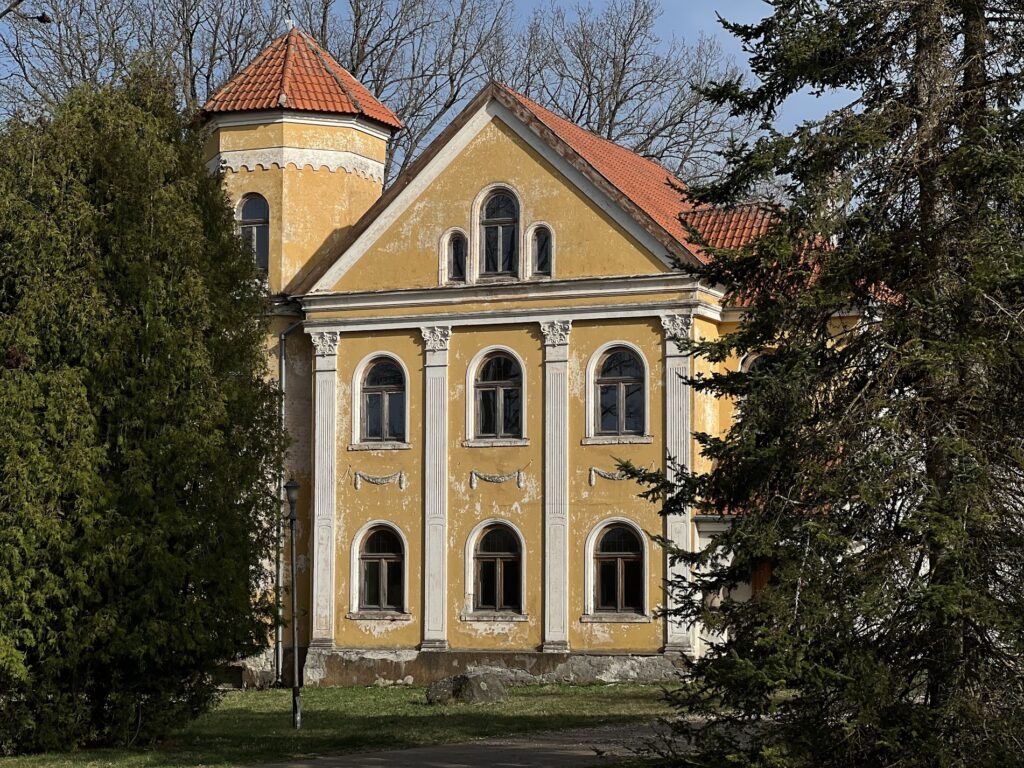
In the northwestern part of Cēsis, in an area locals call Glūda Hill, once stood Glūda Sub-Manor – a small but historically significant place. It became special due to a unique natural resource – white clay, used in sculpture and cosmetics production. This rare material was so valuable that it became state property, and its extraction was prohibited.
The name Glūda appears relatively late on historical maps. In Johann Heinrich Kelch’s 1688 Cēsis land survey map, Glūda is not yet marked as a separate economic unit. It only appears in official documents in the mid-18th century. A small river, which over time had several names – Glūda River, Vinterupīte, and Mellupe – meandered through the manor territory.
The history of Glūda Sub-Manor is closely linked to the Sivers family (not to be confused with the Zīverss family, owners of Cēsis Castle Manor) – one of Vidzeme’s most prominent patrician families. Kārlis Frīdrihs von Sivers, Cēsis city burgomaster (1760–1767), acquired both Glūda and the nearby Dukuri Manor, forming a strategic property connection and strengthening his influence.
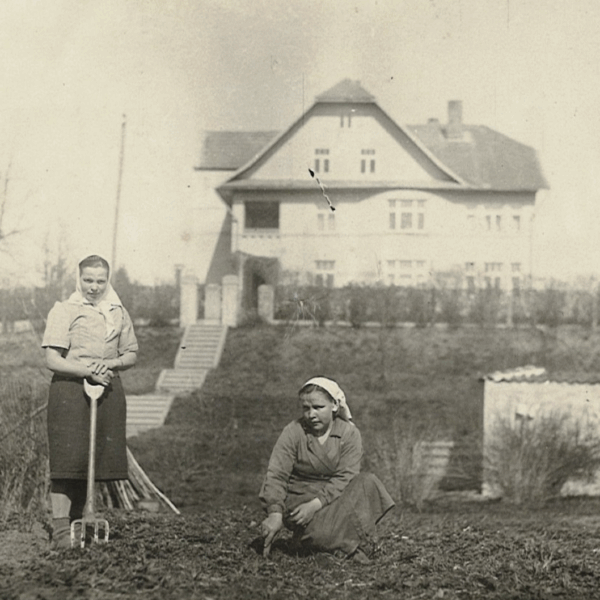
After the 1920 agrarian reform, Countess Leonie von Sivers, widow of Count Emanuel von Sivers, was granted a small residential house with ten hectares of land and part of an orchard. This modest property could not replace the former manorial grandeur. Leonie’s subsequent life paths are shrouded in mystery – there are stories that even during World War II, as an elderly woman, she received treatment in Latvian psychoneurological institutions.
After World War II, the Glūda Manor building was converted into a home for invalids, which was later transformed into a nursing home for the elderly. This social care institution operated until 1994. Today, only memories remain of the sub-manor’s former glory – in 1972, the new Cēsis Hospital was built on Glūda’s lands, literally dividing Glūda Street into two parts. The section of the street behind the hospital remains only as a small path – a modest but heartfelt reminder of a place where the Sivers once resided and where Cēsis’s white “golden sands” lay hidden.
The materials used for the description are:
Ilma Zālīte, Mg. hist. and Cēsis Rotary Club project “Walk Around Cēsis Manors”