



Dubinska Manor: Echoes of Lost Splendor in Southern Cēsis
On the southern borders of Cēsis, by the picturesque body of water known today as Dubinska Pond, Dubinska Manor (or Dubinskyhof) once stood proudly. Its history stretches back to the end of the 16th century, when the name of Voivode Dembinski appeared in the lists of Cēsis citizens—likely the source of the property’s name.
The manor’s history is as multi-layered as the political events of Vidzeme. 1625. In 1625, King Gustav II Adolf of Sweden granted the property to his half-brother, Admiral of the Empire Carl Gyllenhielm—a man with a dramatic life story. After spending seven years in Polish captivity, Gyllenhielm became a powerful admiral who led the Swedish troops across the Baltic Sea to capture Riga in 1621.
Although the manor formally belonged to the admiral, daily management was handled by the Cēsis town physician and later mayor, Bernhard von Hirsch, who died here in 1647. Afterward, the property came into the possession of the crown—from 1679 to approximately 1710, it served as the appanage manor of the Swedish Queen Hedvig Eleonora.
Over the centuries, the list of manor owners became a true mirror of the Vidzeme aristocracy—the property was managed by the Russian Chancellor Alexey Bestuzhev-Ryumin and later by the Baron von Campenhausen family. During their time, in 1842, the prominent Baltic German educator Leocadie von Freytag-Loringhoven was born in Dubinska.
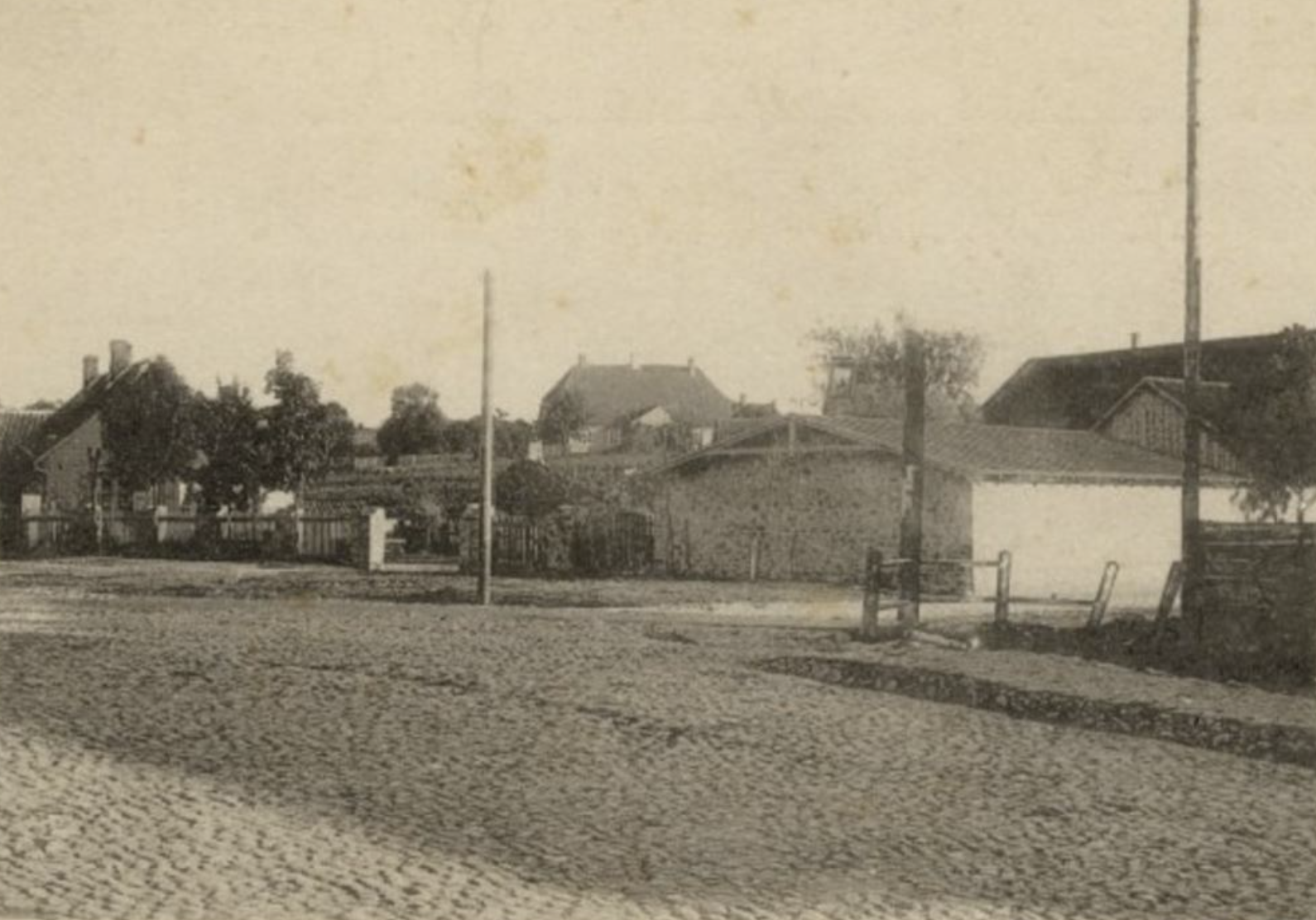
In its heyday, the territory of Dubinska Manor was extensive and diverse—featuring residential buildings, a watermill, a tannery, a kiln, a barn, and even a tavern. It bordered the Zetler and Kalna manors. 1922. In 1826, 16 farmsteads were listed with poetic names such as Baltā muiža (White Manor) or Žurciņas, Akmeņlauzis, and Zvārtes.
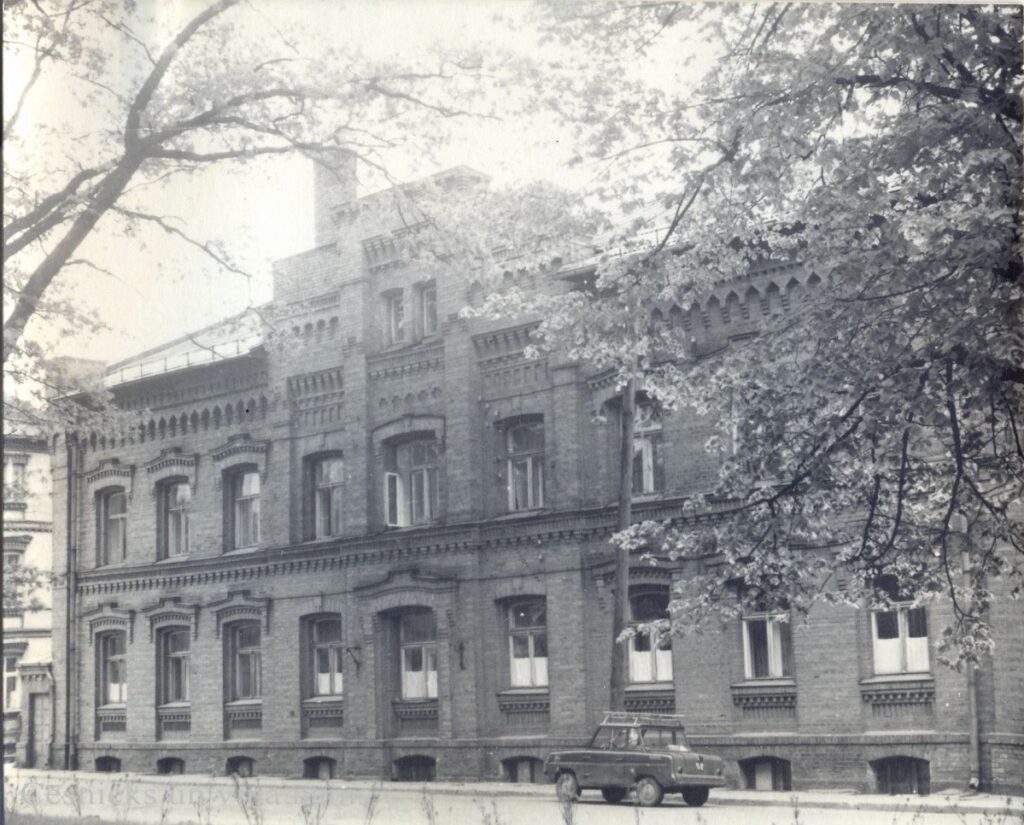
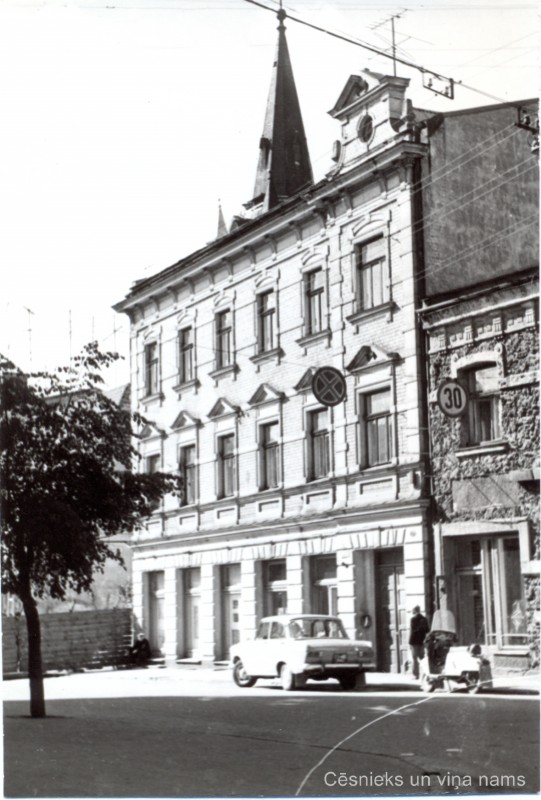
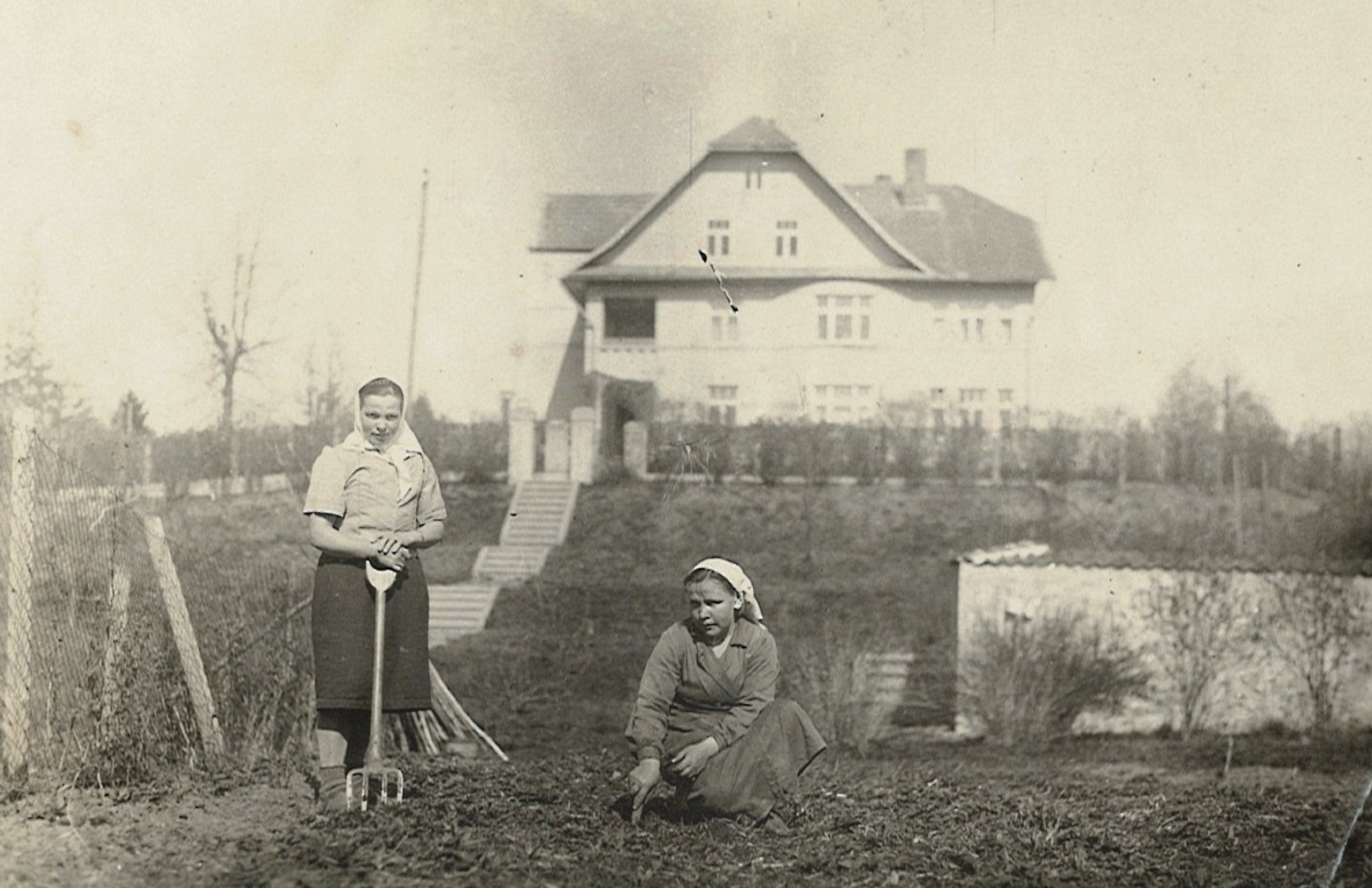
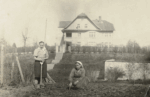
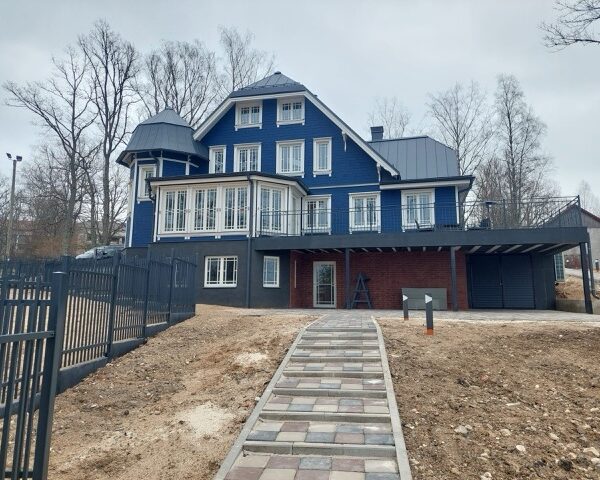
After the 1920 agrarian reform, the manor land was alienated, while the buildings passed into private ownership. 1927. In 1927, shareholder Jānis Mednis built a new residential house on the foundations of the old manor, and even Dubinska Pond became private property. During the Soviet years, the building at Raiņa iela 7 was nationalized and turned into a nursery. After Latvia regained its independence, the property was recovered by its legal heirs.
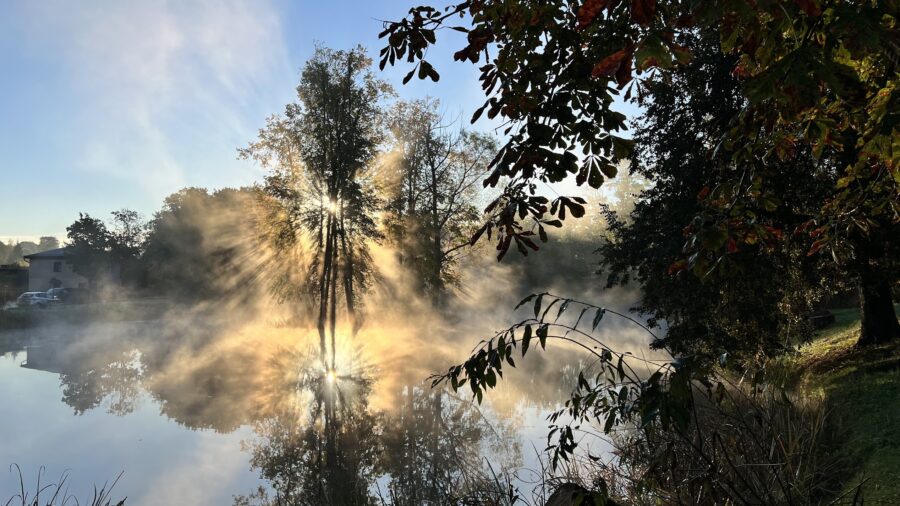
Today, only Dubinska Pond remains as a memory of the grand manor, with its small island in the middle where waterfowl like to gather. With its scenic charm, it is every bit the equal of the famous Castle and May Park ponds, quietly preserving stories of aristocracy, soldiers, and centuries of history.
The materials used for the description are:
Ilma Zālīte, Mg. hist. and the Cēsis Rotary Club project “A Tour of Cēsis Manors”