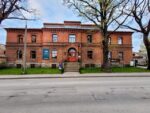

Cēsis Charity Society House

In the 1950s, students of the Cēsis 4th Vocational School built Latvia’s first robot, named “Alfa BS,” which was exhibited at the Exhibition of Achievements of the National Economy in Moscow.

In 1985, the vocational school produced a replica of the Cabinet of Folksongs (Dainu skapis), which can still be seen today at the Krišjānis Barons Museum in Riga.

Facts

  • 1875: The Charity Society is founded in Cēsis and granted a plot of land at Jaunā Street 3 (now Piebalgas Street 3).
  • 1885: On October 27, the newly built Charity Society House is opened.
  • 1886: The building’s consecration ceremony takes place.
  • 1886: The Society’s theater performs M. Glinka’s opera “A Life for the Tsar” (Ivan Susanin) for the first time in Latvia.
  • 1889: The Society organizes the first Cēsis District Song Festival, featuring 12 local choirs and 300 singers.
  • 1891: Due to debts, the building passes into the ownership of contractor Jānis Meņģelis.
  • 1892: The Charity Society ceases to exist.
  • 1922: On May 8, the 8th Daugavpils Infantry Regiment moves into the building.
  • 1922: An army economic store is established in the building.
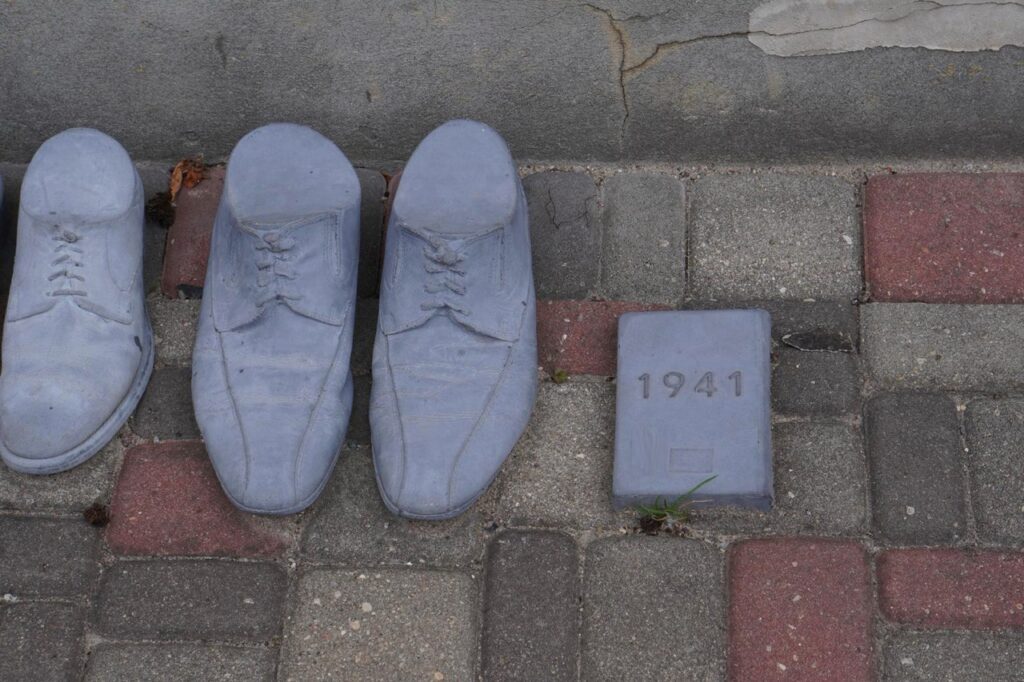
  • 1941: In July, a German military unit is stationed in the building.
  • 1947: In September, the building is handed over to the Cēsis 4th Vocational School.
  • 1950: Major renovation of the building is completed, and new workshops are set up.
  • 1950–1959: Various workshops—turning, locksmithing, carpentry, etc.—are gradually built and modernized.
  • 1950: Latvia’s first robot, “Alfa BS,” is built.
  • 1985: A replica of the Cabinet of Folksongs is produced at the vocational school.
  • 1993–2008: The Cēsis 4th Vocational Secondary School operates in the building.
  • 2008–2015: The Cēsis Professional Secondary School operates in the building.
  • 2015: Riga Technical University and the Cēsis New School begin using the premises.
Adrese

Piebalgas Street 3

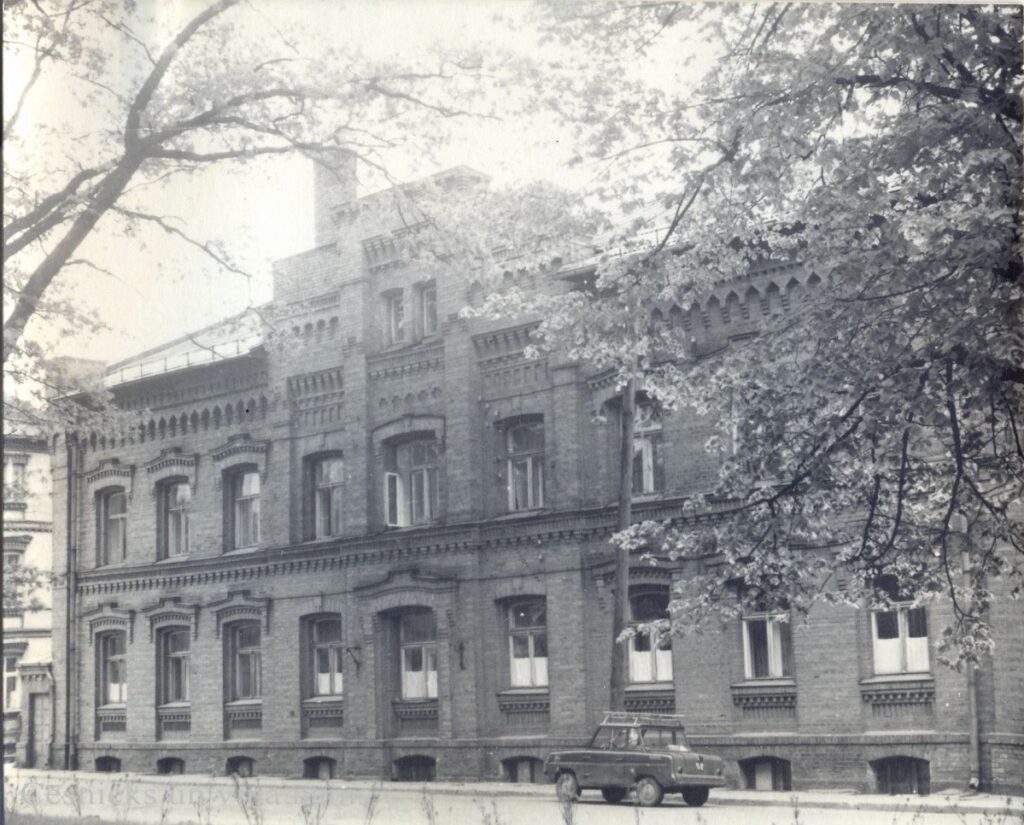
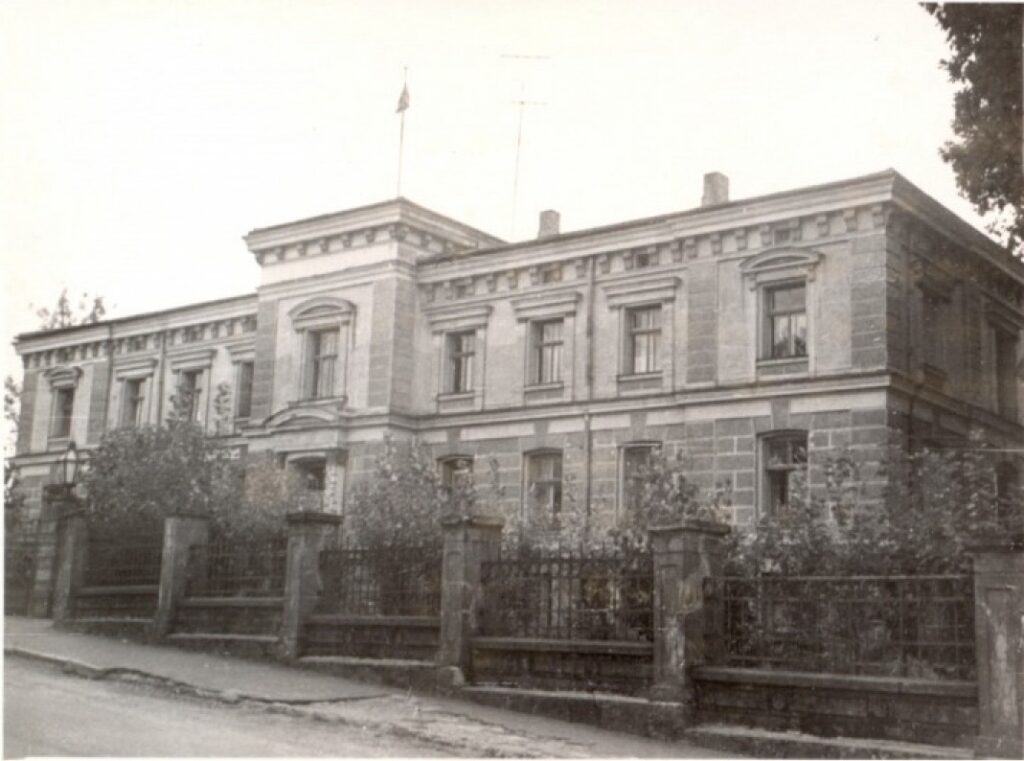
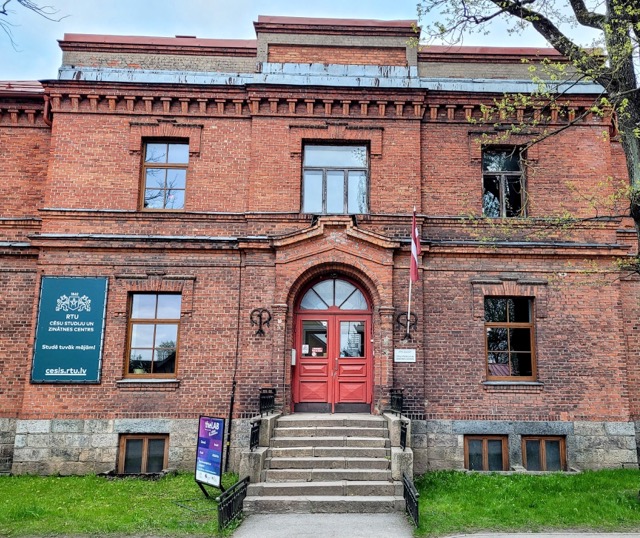
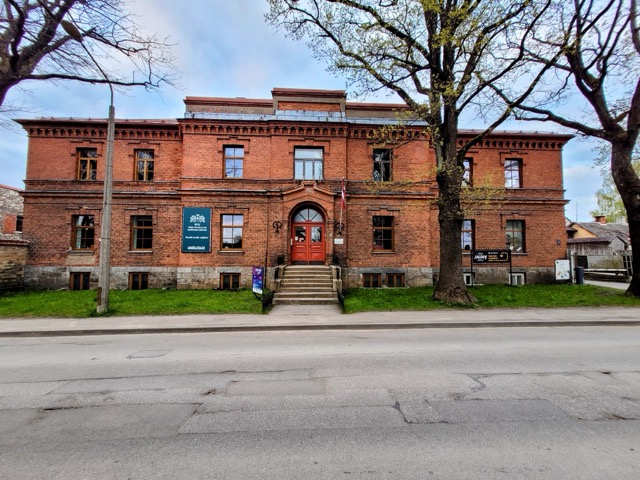
The majestic two-story brick house with a basement at Piebalgas Street 3 has witnessed the development of Cēsis for over 135 years, transforming from a cultural epicenter into a forge of knowledge. This building—the first Charity Society house in Vidzeme—holds stories of both joy and change.

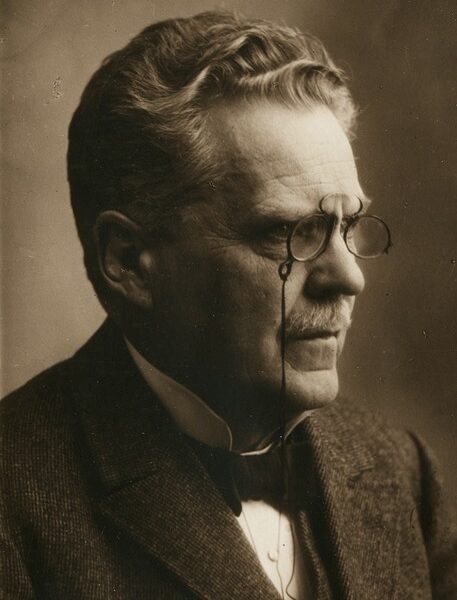
When the Charity Society was founded in Cēsis in 1875, the city granted it a plot of land at what was then Jaunā Street 3. Built according to architect M. Kampe’s design under the supervision of contractor Jānis Meņģelis, the building became a multifunctional center—it featured a stage for theater performances, a girls’ school on the second floor, and a so-called “bowling alley” or skittles game in the basement for the entertainment of members and guests. At that time, the people of Cēsis likely experienced many lively and loud competitions in 19th-century “bowling”!

The opening of the house on October 27, 1885, was a significant event in the city’s life, but even more grand was the consecration ceremony in 1886, when the Charity Society theater performed Mikhail Glinka’s opera “A Life for the Tsar” (Ivan Susanin) for the first time in Latvian territory. This event marked the first attempt to establish an opera tradition outside Riga.In 1889, the Charity Society organized the first Cēsis District Song Festival, featuring 12 choirs and over 300 singers. Dressed in folk costumes and adorned with oak wreaths, the singers marched to the Charity Society garden, where a concert took place in a building specially constructed for the event, followed by theater performances. This festival laid the foundation for the rich choral tradition of the Cēsis district.

However, not everything went smoothly—the society’s leadership lacked financial skills, and by 1891, the building passed to Jānis Meņģelis due to debts. A year later, the Charity Society itself went bankrupt.In 1922, the 8th Daugavpils Infantry Regiment moved into the building, setting up weapons workshops, a machine gun instructor company, a band, guards, and detention rooms. 1925. In 1922, the regiment moved to the barracks on Valmieras Street, and an army economic store was opened in the building. 1941. In 1941, a German military unit settled in the house, but after World War II, in 1947, the building was taken over by Cēsis Craft School No. 4.

Despite war damage and post-war material shortages, the school’s students and staff completed a major renovation of the building by 1950. Turning, locksmithing, and carpentry workshops were set up, and new equipment and workbenches were delivered with the help of “brotherly republics.”By the late 1950s, the school could boast significant achievements—its students built Latvia’s first robot, “Alfa BS,” which was exhibited at the Exhibition of Achievements of the National Economy in Moscow.

During the Soviet era, the building was significantly improved: in 1959, the installation of central ventilation and warm showers was completed, a ventilation system for directing wood waste to the furnace was created, an orchard with 15 fruit trees and various berry bushes was planted near the school, and two artisan statues stood proudly at the entrance. Unfortunately, the orchard and statues have not survived to this day.In 1985, the school’s students produced a replica of the Cabinet of Folksongs, which can still be seen today at the Krišjānis Barons Museum in Riga.

Until 2015, the Cēsis Professional Secondary School operated in the building. Later, it was taken over by Riga Technical University and the Cēsis New School—a parent-founded educational institution with an individual approach and over ten years of experience. Today, this school continues the building’s educational mission, creating an environment where children develop harmoniously, learning cooperation, responsibility, and independence.

Thus, the house that was once intended for the promotion of culture and charity has, after many historical twists and turns, returned to its original purpose—to educate and raise the next generation.

The materials used for the description are:
Ilga Grote and Daina Eisenberga’s research “100 years of the Cesis State School of Crafts”;
Based on Jānis Dzedonis’ research “The Story of the Building at Piebalgas Street 3, Cēsis”;
From the collections of the Cēsis History and Art Museum and the Cēsis Central Library.