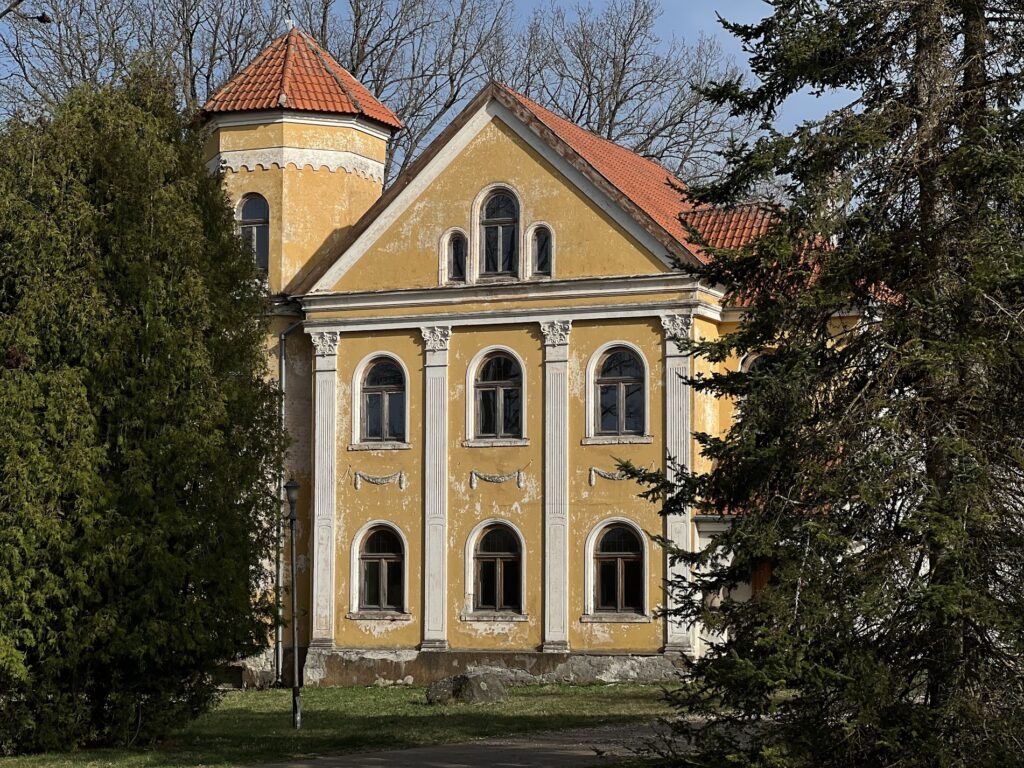


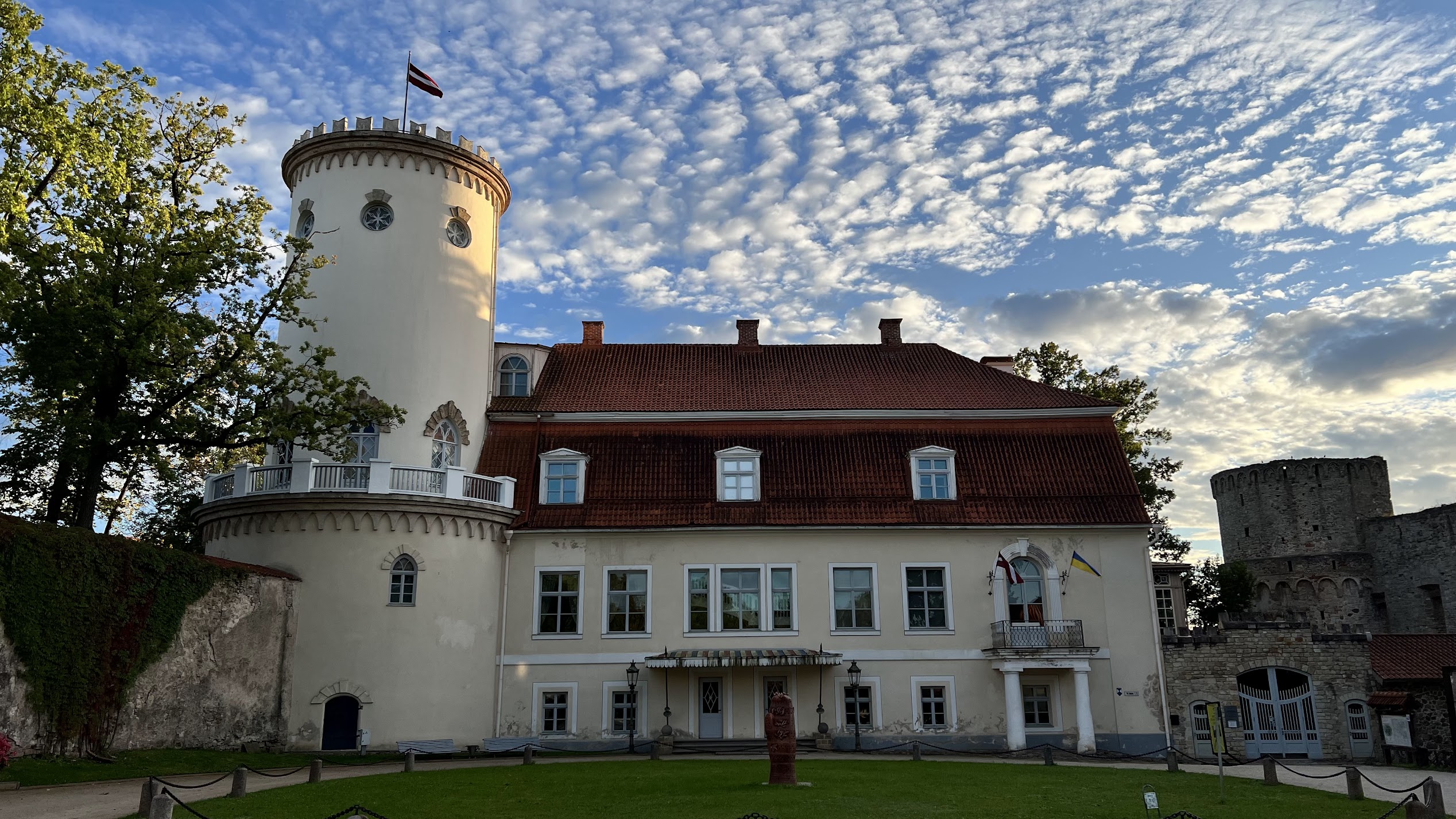

Cēsis Castle Manor is one of the most romantic sites in Cēsis, where the silhouette of the historic New Castle gradually emerges from the ruins of the ancient Livonian Order castle. Although the history of Cēsis Castle, the estates owned by its masters, and the buildings of Cēsis Castle Manor form an inseparable whole, in the “Cēsis Stories” project, we consider the mid-17th century as the beginning of the Castle Manor, when Cēsis Castle began to function solely as a manor.
After Vidzeme came under Swedish rule in 1621, King Gustav II Adolf of Sweden granted Cēsis Castle and the town with all its appurtenances to the Swedish Chancellor, Count Axel Oxenstierna, in 1627. Initially, the Oxenstiernas took care of the castle’s maintenance—in 1629, a significant amount of iron was purchased for the Cēsis fortifications, and in 1637, the stoves and windows were repaired.
After Vidzeme was annexed by Russia in 1721, Cēsis Castle Manor became a public or state-owned manor. 1724. In [Year], the manor’s manager Georg Christoph von Grabaus wrote to the governor that, despite efforts to repair the manor buildings, they were not yet fully in order due to a lack of timber and workers. The letter mentions that a cattle shed was built last autumn, but a new threshing barn and granary were still needed. At this time, the manor buildings were made of wood, while the castle was abandoned.
In 1731, the Chancellor sold the castle and town to Johann Gottlieb I von Wolff, whose family was active and energetic. The von Wolffs sought to organize the lands and buildings around the castle, develop livestock farming, and built the Cēsis Castle Manor house, or New Castle, using the ancient outer bailey buildings and the walls of the Lademacher Tower.
However, the von Wolffs also acted cruelly—they evicted 9 peasants from their homes to establish 2 new livestock manors, and the peasants’ corvée labor obligations increased rapidly. 1771. In [Year], the peasants of Cēsis Castle Manor complained to the Governor-General of Vidzeme, and in 1776, their complaint was also submitted to the Russian heir to the throne, Paul I, when he stopped in Stalbe to change horses. These complaints were ultimately rejected, and the author of the complaint, Žagaru Krišus, was severely punished.
After the death of K.G. von Sievers, the castle manor was inherited by his son, Emanuel von Sievers the Elder. During his time, around 1854, a small observation tower was built on the R tower of the castle ruins, and by 1857, it was already being used by the “Livonia” corporation for its commercia.
After the 1920 agrarian reform, the New Castle was nationalized, and in 1922, the Count’s heirs sold the remaining real estate on the Cēsis Castle Manor territory for 45,000 gold lats.
Today, the Cēsis Castle Manor complex features the New Castle (now the Cēsis Castle Museum), one of the few 18th-century manor houses in Latvia built into a medieval castle fortification system. The castle complex also includes other historic buildings—the stable-coach house (now the Exhibition Hall), the manor granary, the former brewery and tavern, as well as the romantic park with its pond and monuments.
The materials used for the description are:
Ilma Zālīte, MA in History and the Cēsis Rotary Club project “Tour of Cēsis Manors”