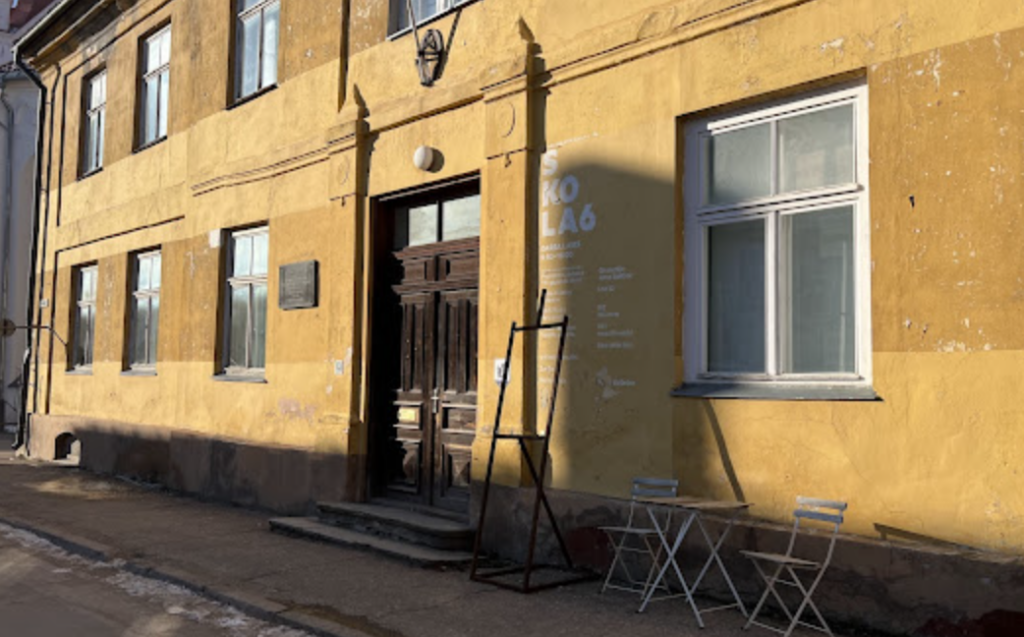


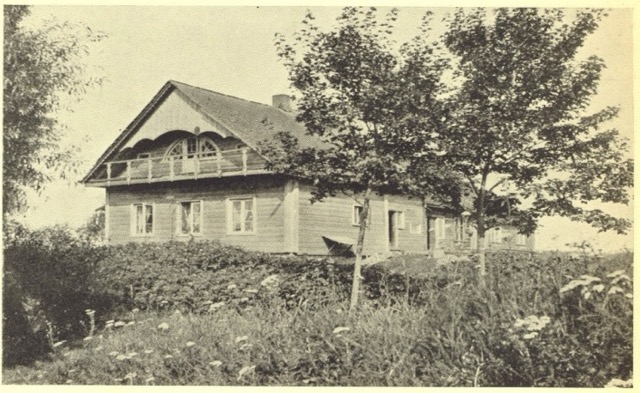
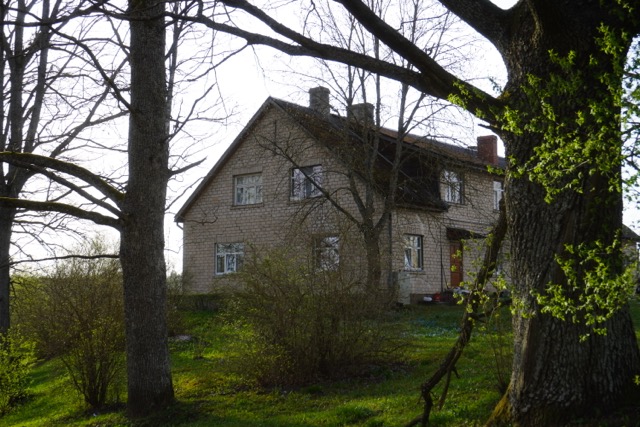
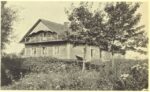
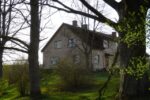
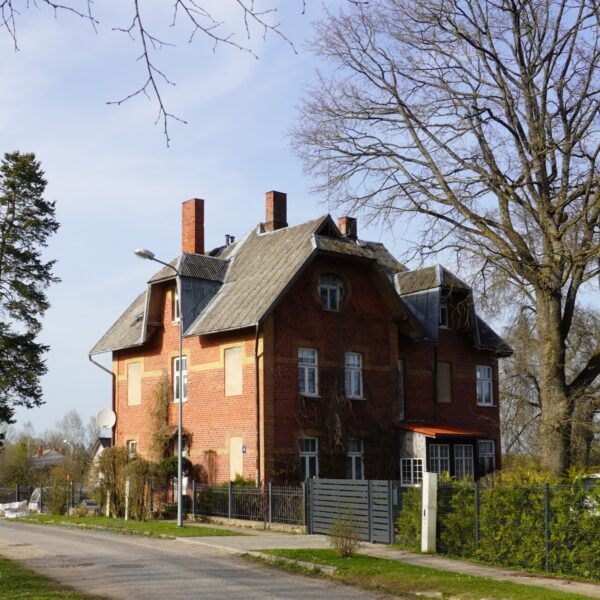
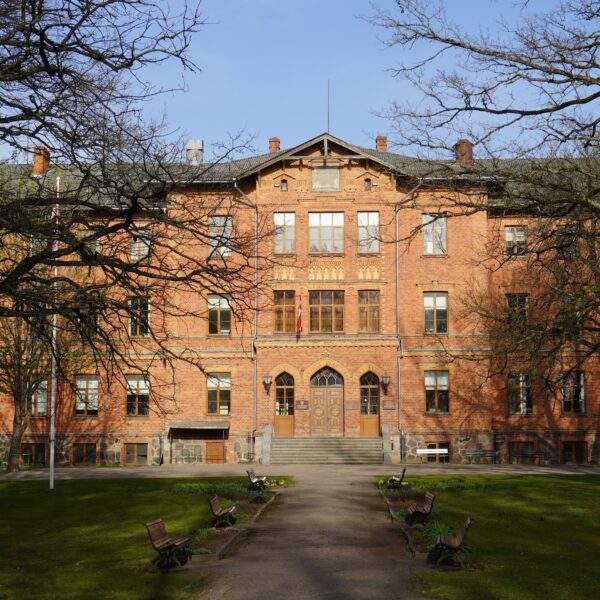

Kīters Minor Estate, also known locally as “Louisiana”, is one of the most fascinating examples of 18th century wooden architecture, which stood at the junction of Vienības Avenue and Lenču Street. This building carries the stories of Cēsis’s aristocratic past, from its acquisition in the late 18th century right through to the present day.
The estate’s lands have gone by many names over the years — Ķilķens or Stēdme lands, later Fugelings or Pubuliņu lands, because local residents couldn’t pronounce “Fovelīns” and turned it into the easier “Fugelings”. This reflects the mix of languages and cultures that was typical of the Vidzeme region, where people of different backgrounds — Latvians, Germans, and Russians — lived side by side for centuries.
The property took the name “Kīters Minor Estate” in 1797, when it was purchased by councillor Zamuels Ludvigs von Kīters. His family left a lasting mark not only on the history of Cēsis, but on the Russian Empire as a whole. Interestingly, every generation of the family produced at least one notable figure whose name made it into the history books — from an economy commissioner to a medical scientist who introduced modern surgical methods in 19th century Russia.
The building’s architecture was just as varied as its history — with Rococo elements on the second floor, and distinctive doors and staircases from different periods. This mix of architectural styles was likely the owners’ way of signalling their social status — a very human desire to stand out, not unlike what we see in homeowners today.
Although the minor estate has been through many changes — different owners, shifting names, and even wartime destruction — it has survived to the present day as one of the quiet witnesses to Cēsis’s rich history. After World War II, only one building from the complex remained, which was converted into an apartment building, continuing to serve the people of Cēsis, albeit in a far more modest role than in its heyday.
The materials used for the description are:
Ilma Zālīte, Mg. hist., and the Cēsis Rotary Club project “A Walk Around the Manors of Cēsis”;
the collections of Cēsis Castle Museum and Cēsis Central Library.