
Dukuri Manor

During the Great Northern War, the Russians took not only people and clothes from the Dukuri Manor peasants but also some goats — apparently, goats were considered valuable loot at the time!

However, in the early 19th century, Dukuri Manor had so few inhabitants that in 1811, only 3 adult men and three boys were registered there. Moreover, there was no longer even a coachman, indicating that the owners did not reside at the manor.

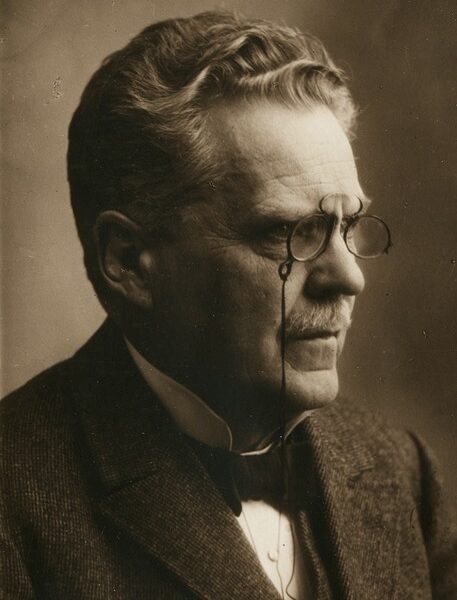
The renowned Baltic German pianist and composer Eduard Erdmann, who later became one of the most famous German composers of the 1920s, was born on the territory of Dukuri Manor.

Facts

  • 1604: The territory that later became Dukuri Manor is mentioned in documents for the first time.
  • 1629: King Gustav II Adolf grants the land to Heinrich Lademacher.
  • 1663: An agreement is reached on land exchange between Dukuri Manor and Cēsis Castle Manor.
  • 1682: Documents mention that the manor was built and established as a manor in 1660.
  • 1708: During the Great Northern War, the manor suffers greatly – the Russians abduct people and plunder property.
  • 1710: The manor is inherited by Johann von Liephart after the death of his father, Captain Franz Bernhard von Liephart.
  • 1815: Karl Friedrich von Sievers becomes the owner of the manor.
  • 1823: Count Karl Gustav von Sievers purchases the manor for 12,800 rubles.
  • 1836: The plan for the manor center is signed, after which its reconstruction begins.
  • 1856–1909: The owner of the manor is Lieutenant General Emanuel von Sievers.
  • 1881–1885: The tenant of the manor is Friedrich Nolje.
  • 1886: Kārlis Erdmanis, a prominent public figure in Cēsis, becomes the tenant of the manor.
  • 1896: The future Baltic German pianist and composer Eduard Erdmann is born at Dukuri Manor.
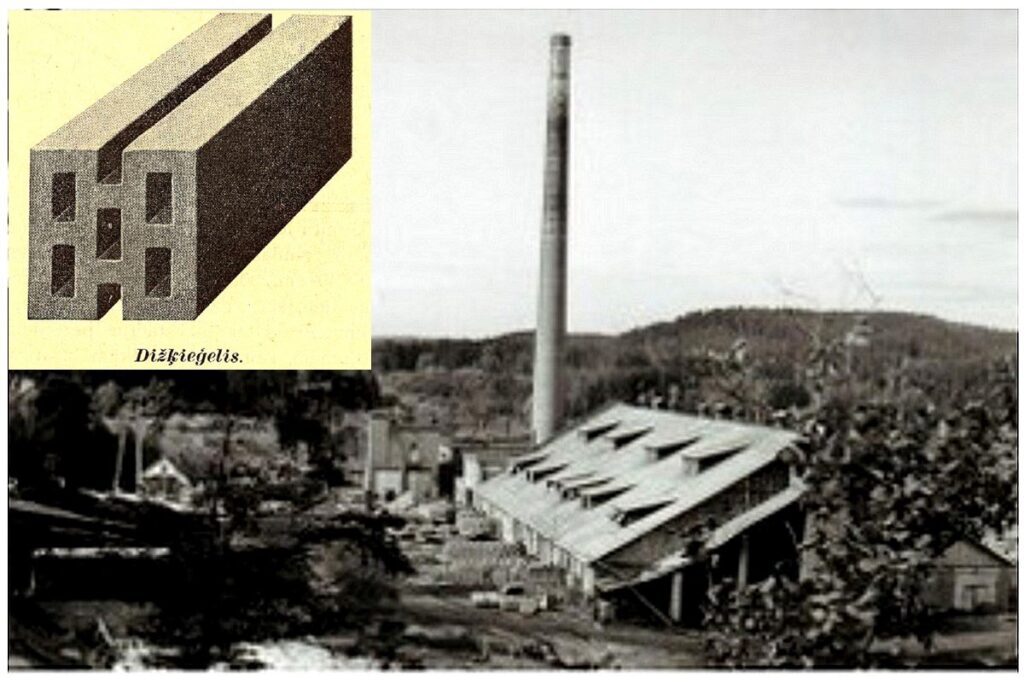
  • 1909: A steam enterprise for heat production and a sawmill operate at the manor.
  • 1920: During the Latvian agrarian reform, the manor is divided into 33 new farms. The manor itself is transferred to the Cēsis Forest District.
  • Today: The Cēsis Forest District manages the manor.
Adrese

Dukuri, Priekuļi Parish

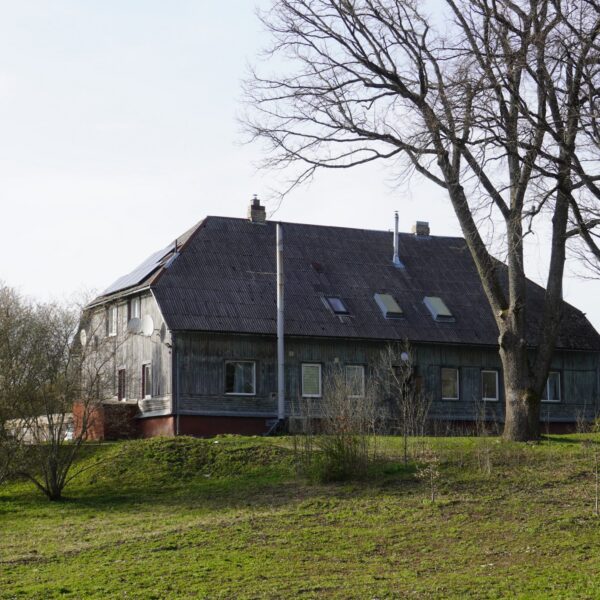
Not far from Cēsis, nestled among green birches and dark spruces, at the crossroads of Ķingu, Pūpolu, and Vāveres streets, lies Dukuri Manor – a place with a rich and layered history that began in the early 17th century.

The manor’s origins can be traced back to 1604, with a land grant confirmed in 1624 by King Gustav II Adolf of Sweden. At that time, three abandoned villages – Švika, Bucis, and Zābaks – were located here, managed by ministers Sīmanis Grotkovskis and Jānis Sutovs. It is believed that the land grant was related to Jan Karol Hodkiewicz’s stay in Vidzeme, including Cēsis.In 1629, Gustav II Adolf granted these lands to Heinrich Lademacher, whose daughter Magdalena married the district judge Friedrich von Liephart. The von Liephart family, famous for their warlike spirit, was not without border disputes with Cēsis Castle Manor. These concluded in 1663 with a land exchange, expanding Dukuri Manor’s territory with the villages of Brēžas, Babas, and Kaika, and granting access to Kaika Bay on the Gauja River.

Around 1682, a new building had already been constructed at Dukuri Manor, and the manor center was established. The manor also owned the Rāviņi or Rāvu tavern and a mill near Egerts village, of which only the dam remains today.

During the Great Northern War (1700–1721), Dukuri Manor suffered significant damage – people were taken captive, property was plundered, and the Rāva tavern was burned down. However, the manor managed to recover and continued to exist.

The manor changed owners over time. 1815. In 1815, it was acquired by Karl Friedrich von Sievers, Mayor of Cēsis (1760–1767). During the Sievers’ era, the manor’s population decreased, and in the early 19th century, only a few adult men lived there. This fact indicates that the manor owners no longer resided there permanently.In 1823, Dukuri Manor was sold for 12,800 rubles to Count Karl Gustav von Sievers, who later added it to the Cēsis Castle Manor estate. The manor center was rebuilt according to the 1836 plan.

The late 19th and early 20th centuries brought a new flourishing to Dukuri Manor. During this time, it was leased by prominent figures – Friedrich Nolje and later Kārlis Erdmanis, one of Cēsis’s most active public figures. Erdmanis made significant contributions to the life of St. John’s Church in Cēsis, the development of education, and the strengthening of the congregation.In 1909, a steam enterprise and a sawmill operated on the manor’s territory, and the surrounding area with Lake Ninieris became a popular recreational spot.

After the Latvian agrarian reform, Dukuri Manor was divided into 33 new farms. The manor buildings were transferred to the Cēsis Forest District, which still manages the territory today as the Central Vidzeme Forest District.

Dukuri Manor remains a silent witness to history, its stories preserving the complex yet rich past of the Cēsis region – from royal privileges to the transformation of rural society.

The materials used for the description are:
Ilma Zālīte, Mg. hist. and Cēsis Rotary Club project “Tour of Cēsis Manors”From the collections of the Cēsis Castle Museum and Cēsis Central Library.

Categories: , Tag: