
Zekler Manor

Unlike other manors, Zekler Manor had no livestock sheds, as it was long combined with the small Kalnamuiža farm, where all the farm buildings were located.

A lime kiln with circular kilns operated on the manor’s territory in Lauciņi, which was a significant source of income.

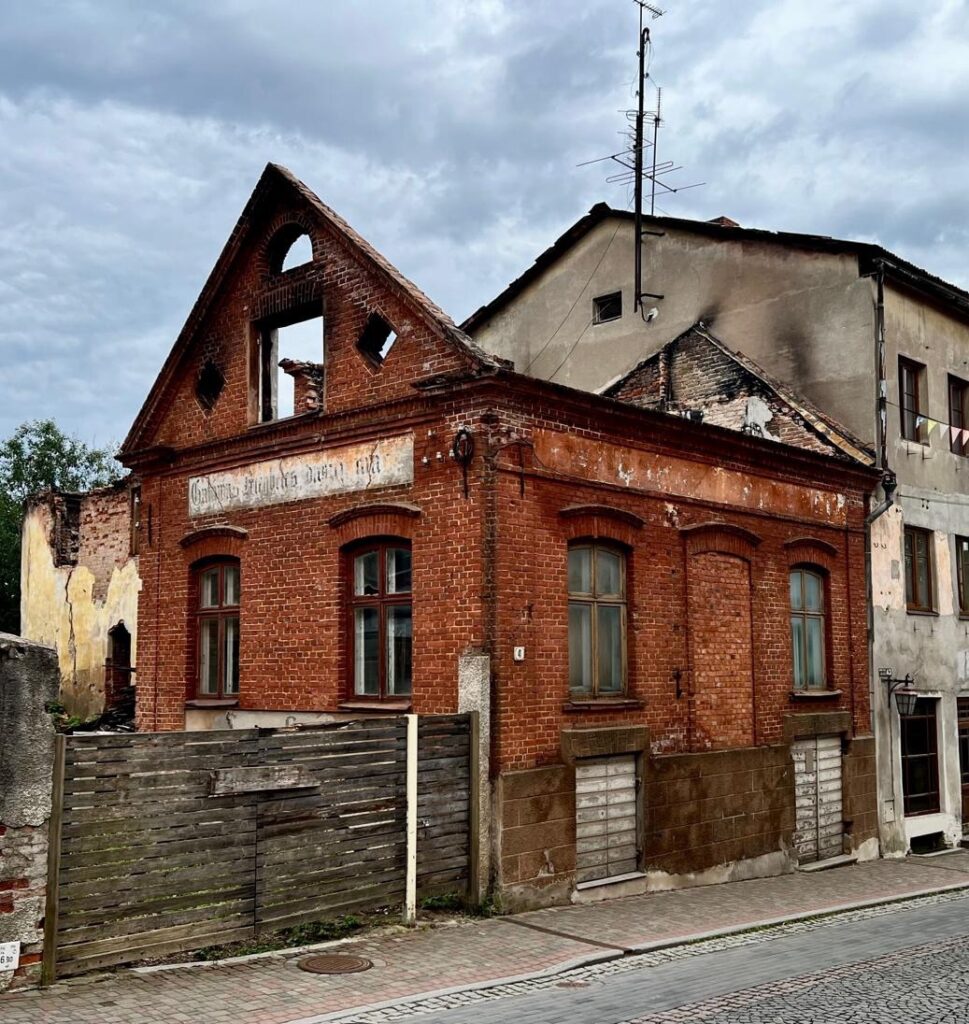
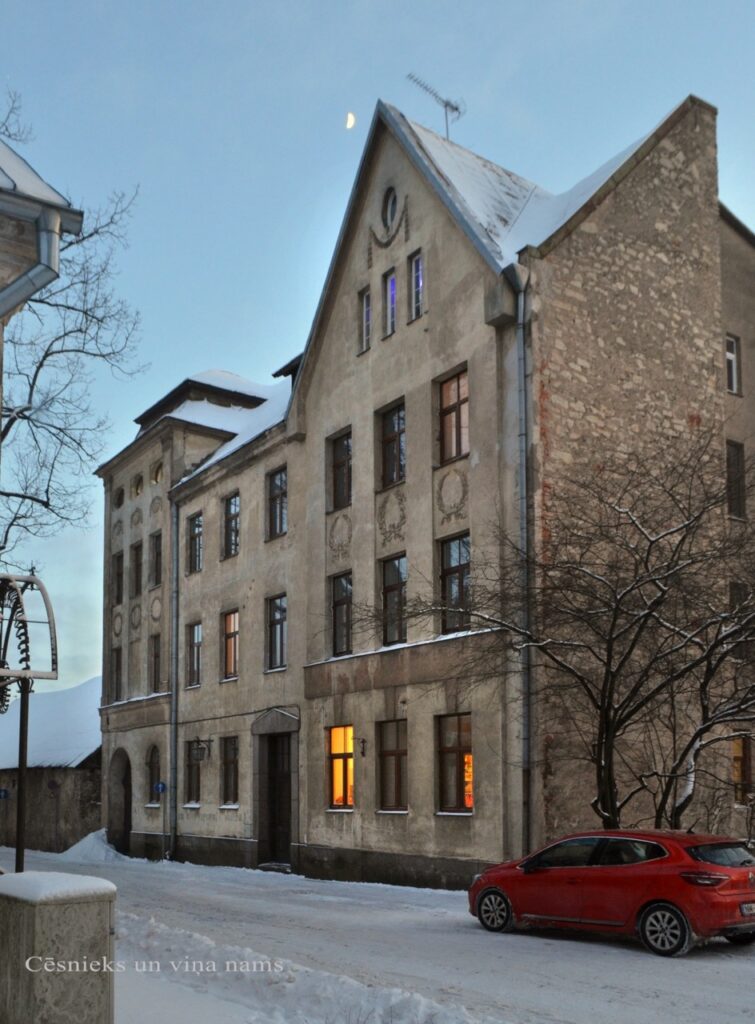
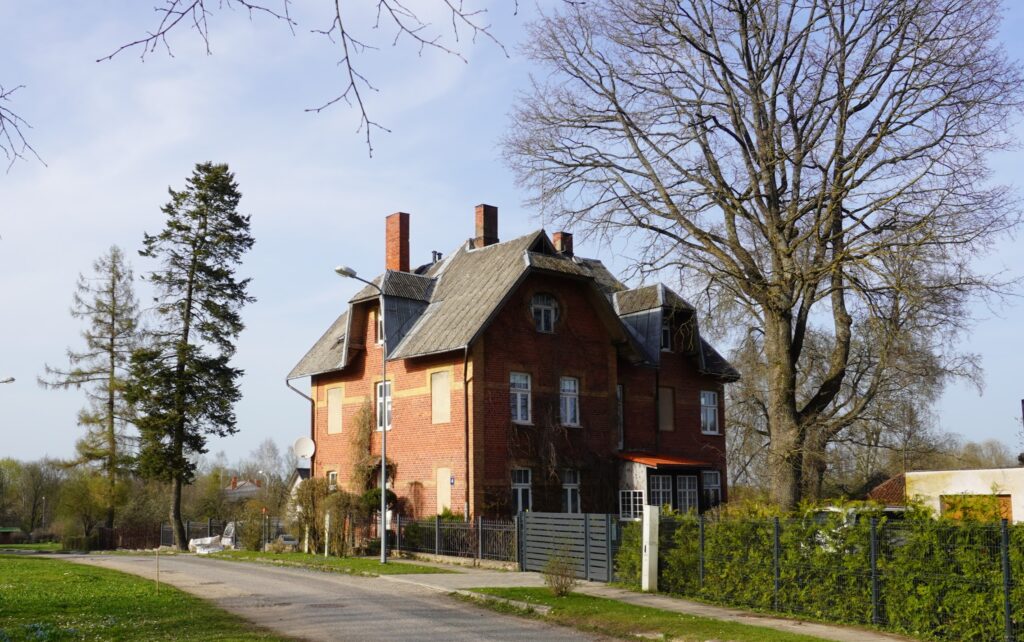
At one time, supporters of revolutionary ideas, including the ardent revolutionary Ala Blanka and her associates, gathered in the manor building at Palejas Street 10 — possibly the only building remaining from the original manor complex.

Facts

  • 1537: First mention of Zekler’s lands, when burgher Hans Strak sold a garden in front of St. Catherine’s Gate to Sigismund Zekler, surgeon to the Livonian Order Master.
  • 1561: Sigismund Zekler received 4 villages in Āraiši parish as a fief from Gothard Kettler, Master of the Livonian Order.
  • 1581: Heinrich Zekler received confirmation from Stephen Báthory, King of Poland-Lithuania, for his properties.
  • 1583: Heinrich Zekler became the mayor of Cēsis.
  • 1640: The manor belonged to Wilhelm Schleyer, who became the mayor of Cēsis in 1654.
  • 1782: Johann Wilhelm von Bornemann sold Zekler Manor and Kalnamuiža to Sigismund Adolf von Wolff for 20,000 Albertus thalers.
  • 1795: Katharina Christine von Wolff mortgaged both manors to merchant Anton Christian von Hülsen for 28,000 silver rubles for 40 years.
  • 1819: Hermann Friedrich Hülsen acquired the manor for 12,500 rubles.
  • 1837: Johann Josef Gotthard Otto von Rutenberg-Orgies acquired the manor.
  • 1867: The manor came into the possession of Johann Theodor Apping for 30,550 rubles.
  • 1902: Theodor Voldemar Zielmann bought the Zekler Manor lands in Lauciņi and built a residential house and farm buildings.
  • 1910: The house at Palejas Street 10, which stands to this day, was built.
  • 1917: The ardent revolutionary Ala Blanka and her associates gathered in the house on Palejas Street.
  • 1920: As a result of the agrarian reform, the manor ceased to exist.
Adrese

Gaujas Street 18

,

Gaujas Street 20

,

J. Poruka Street 39

,

Palejas Street 10

Zekler Manor is one of Cēsis’ historical sites with a rich and colorful past, its name remaining unchanged through the centuries. The manor’s story began in the 16th century when it acquired its name from the barber Zekler family. According to historical sources, the first mention of Zekler’s lands dates back to May 18, 1537, in a feudal register, when burgher Hans Strak sold a part of Cēsis city – the burgher’s gardens in front of St. Catherine’s Gate – to Sigismund Secklern, surgeon to the Livonian Order Master, for 20 marks.

It is important to note that at that time, barbers were not merely hairdressers – they also performed simple surgical operations. For example, in 1629, the Uxkull Manor payroll mentioned that the Cēsis barber was paid 66 state thalers and 60 öre as an annual salary for such duties – a significant sum in those days!

The manor’s significance grew in 1561 when Sigismund Seckler received four villages in Āraiši parish as a fief from Gothard Kettler, Master of the Livonian Order, for lending him money. His son, surgeon Heinrich Seckler, received confirmation from Stephen Báthory, King of Poland-Lithuania, in 1581, for his properties, including a family home in Cēsis and three plots of land with gardens near the city, which were already known as Zekler Manor at that time.In the 17th century, Zekler Manor’s lands were marked on Cēsis maps behind the Riga Gate, halfway to Jurģi Manor (now Gaujas Street 18, 20), as well as a plot of land in Lauciņi (between the current J. Poruka, Priekuļu, and Palmu streets). The property had several owners, but interestingly, the name “Zekler Manor” remained until the Agrarian Reform in 1920 – affirming its deep imprint on Cēsis’ cultural history.In the mid-18th century, Zekler Manor formed a joint property with Kalnamuiža. It is believed that while Kalnamuiža’s primary occupation and source of income was agriculture, Zekler Manor’s income came from land rental and lime extraction. 1782. In 1782, Zekler Manor, along with Kalnamuiža, was sold for an impressive sum – 20,000 Albertus thalers.
Throughout the 19th century, the manor changed owners multiple times through both sales and mortgages. A particularly rapid change of ownership occurred in the mid-19th century when the manor passed from hand to hand through several aristocratic families.

After 1900, when Theodor Voldemar Zielmann acquired the Zekler Manor lands in Lauciņi, he built a residential house and farm buildings, settled in the manor with his family, and represented the manor’s police. Today, part of the historical territory of Zekler Manor is occupied by the Cēsis printing house, whose courtyard trees are witnesses to the former Zekler Manor park, while the buildings on Palejas Street were built on land belonging to this manor.

The materials used for the description are:
Ilma Zālīte, Mg. hist. and Cēsis Rotary Club project “Walk Around Cēsis Manors”Cēsis Castle Museum and Cēsis Central Library collections

Categories: , Tag: